

 See My Latest Article on HelloNation
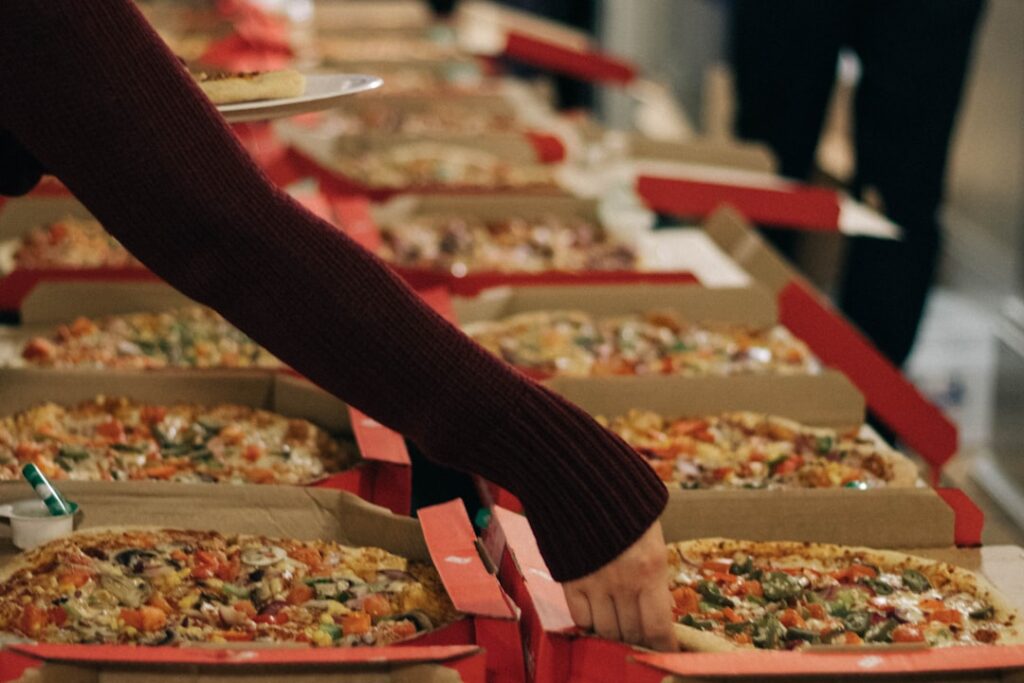
How Should Dietary Restrictions Be Handled for Pizza Catering Events in Columbia, SC?
Area hosts often have to consider a wide range of eating habits and sensitivities when organizing pizza catering in Columbia, SC. Clear communication up front, attentive planning, and basic food knowledge help make guests feel valued and prevent awkward or unsafe situations.
Typical dietary needs to expect in the city include:
- Vegetarian and vegan preferences, especially with groups from academic or healthcare backgrounds
- Common allergies, such as dairy, wheat (gluten), nuts (sometimes present in pesto or dessert pizzas), garlic, and soy
- Religious or cultural dietary rules (pork-free, beef-free, or no animal rennet in cheese, for instance)
- Needs arising from celiac disease, diabetes, or medically restricted diets
Local event planners recommend starting with an anonymous RSVP or survey to learn about guests’ restrictions several days before placing any orders. For private gatherings, a quick group message can clarify preferences. Always order at least one inclusion-friendly option, such as a classic vegan pizza on gluten-free crust, even if no one specifically requests it—surprises are common, and inclusive menus prevent guests from going hungry or feeling left out.
What Is the Most Effective Way to Label Pizza and Sides for Group Events?
Clear, visible, and specific labeling is highly valued by Columbia hosts of all experience levels, especially in community centers, schools, or larger residential gatherings. Relying on servers to remember which pizza is which is unreliable, especially when multiple dietary needs are involved.
Best practices for labeling include:
- Use wide, easy-to-read cards or tented paper for every pizza box and side dish.
- Labels should specify whether the item is vegetarian, vegan, gluten-free, or contains known allergens (e.g., “Contains dairy/cashews”).
- Avoid ambiguous terms like “Special” or “Healthy”; be precise, using ingredient-based descriptions.
- Place labels directly in front of or on top of each item, secure enough to ensure they don’t fall or get mixed up when guests serve themselves.
At gatherings with younger children or linguistically diverse guests, consider pictogram symbols (a leaf for vegetarian, an ear of wheat crossed out for gluten-free, etc.) alongside words.
How Should Pizza Catering Be Set Up for Safe, Efficient, and Attractive Self-Service?
The humid, warm climate and mixed indoor-outdoor gathering styles typical around Columbia impact food safety and enjoyment at pizza events. Proper setup helps everyone get what they need with less hassle and food waste.
Key considerations:
- Temperature Control: For pizza and hot sides, use insulated boxes, warming trays, or chafing dishes if serving outdoors or in drafty spaces. Cooler months are less risky, but food should still not stay in the temperature “danger zone” (between 40°F and 140°F) for more than two hours to avoid bacterial growth.
- Allergy Separation: Place gluten-free or allergy-sensitive options at the beginning of the serving line, or at a separate table, to reduce cross-contact. Always provide separate serving utensils for each pizza.
- Serving Flow: Arrange pizzas and sides from least to most restrictive (vegan first, then vegetarian, then standard options). This helps those with complex needs get food before possible cross-contamination or mixing occurs. Position beverages, salads, and desserts at the far end to reduce crowding at the pizza area.
- Trash and Cleanup: Include a waste bin and a spot for pizza box recycling near the end of the food line, but not directly next to the buffet. In local parks or recreation sites, have a plan for packing out waste, as some sites require it.

What Local Habits or Mistakes Should Residents Watch Out For?
Even hosts with good intentions sometimes face challenges unique to the Columbia area. Consider these commonly missed issues:
- Late Arrivals and Pizza Quality: With heavy traffic or unpredictable weather, guests may arrive late. Try to time the arrival of pizza for shortly before the planned meal time. If delays are expected, keep the food insulated or warm.
- Humidity and Insects: Uncovered pizza can attract insects or quickly become soggy during peak humidity. Outdoors, use screened covers or pop-up tents for food tables.
- Refrigeration Access: In many suburban homes and civic buildings, kitchen access is limited. Plan for quick refrigeration of leftovers if dairy- or meat-heavy pizzas remain after the meal, especially during hot months.
- Portion Guesswork: There’s a local tendency to order too few pizzas if sides or non-pizza items are present. Always round up—guests often eat more pizza than anticipated, especially kids.
Frequently Overlooked Tips for Pizza Catering Success
- Silent Guests: Not all guests will announce their needs; having a universally-friendly option (vegan, gluten-free, minimally seasoned) makes everyone feel welcome.
- Leftover Strategy: Pizza is easily shareable, but not all Columbia locations have take-home supplies. Stock up on napkins, waxed bags, or foil so guests can enjoy leftovers later—this reduces food waste, especially at family events.
- Hydration: Many residents may underestimate beverage needs, especially in summer. Include water stations or pitchers, not just sodas, to keep everyone comfortable and safe.
Pizza catering, handled thoughtfully, brings local groups together while honoring both tradition and personal needs. Columbia’s diverse community, warm climate, and friendly culture make flexible, well-labeled, and inclusive setups especially successful.