

 See My Latest Article on HelloNation
What Are the Core Toppings for Vegetarian Pizza in Columbia, SC?
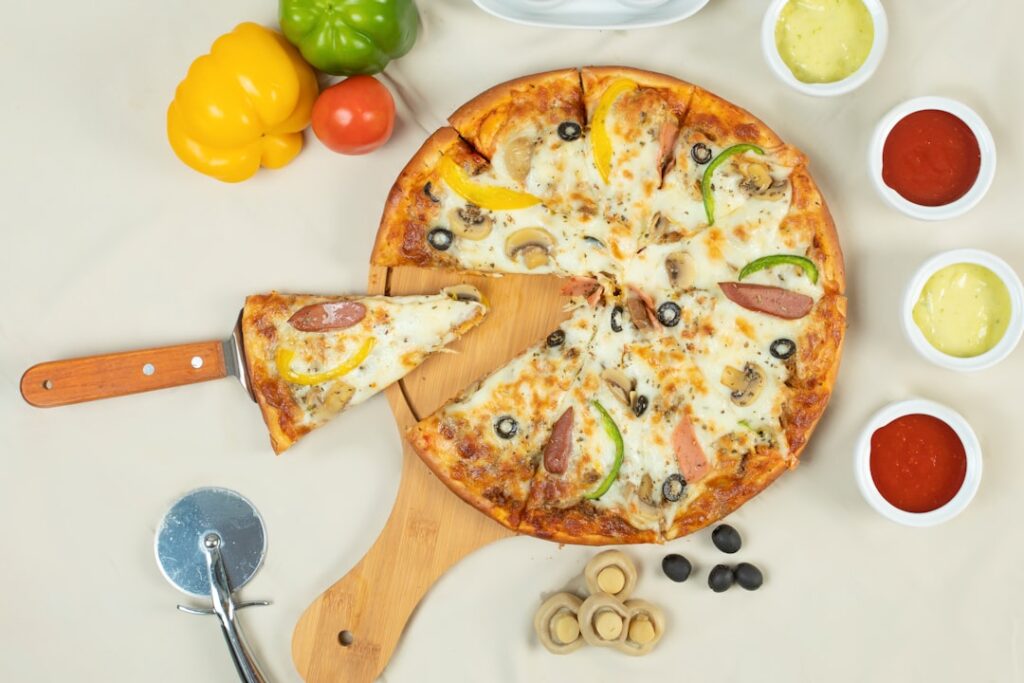
Most vegetarian pizzas enjoyed by residents in Columbia start with classic options found in kitchens and pizzerias across the city. The foundation of these pizzas almost always includes:
- Tomato sauce or olive oil base
- A blend of mozzarella and other cheeses
From there, commonly used vegetables include:
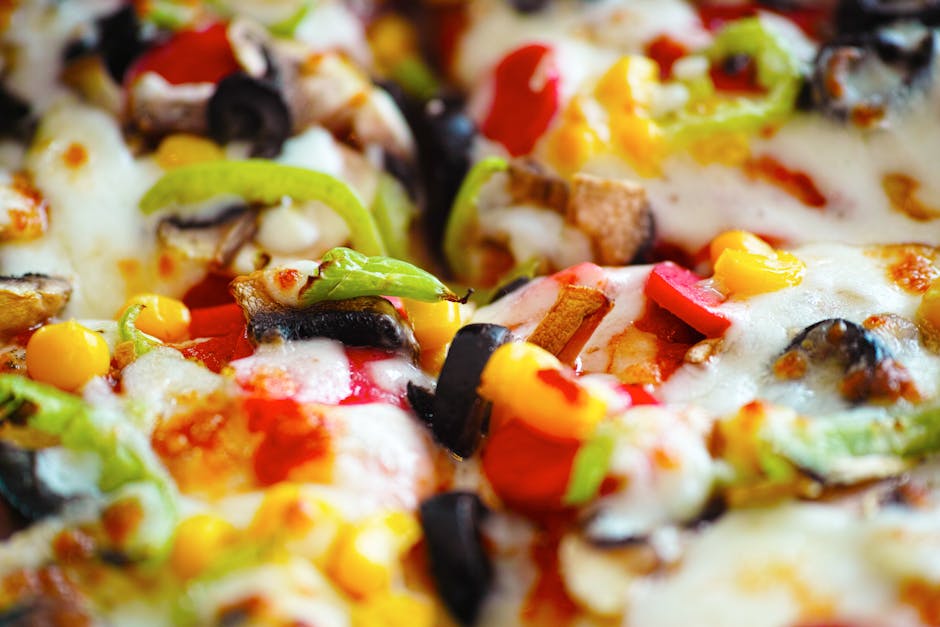
- Bell peppers for a crisp texture and bright color
- Mushrooms, bringing earthiness and a meaty bite
- Onions, often red or yellow, which add both sweetness and savoriness
- Black olives or green olives for salty contrast
These toppings are widely favored due to their accessibility, compatibility with local tastes, and how well they withstand the humid climate of the region during storage and prep.
Which Less Common Ingredients Can Add Variety?
Beyond the basics, local residents often wonder which toppings provide something beyond the standard. Vegetarians and pizza enthusiasts in the area frequently opt for additions such as:
- Spinach and kale, which offer nutritional value and a mild, leafy flavor
- Artichoke hearts, adding tang and tender texture
- Roasted garlic, which delivers a mellow, aromatic kick
- Fresh basil leaves, giving freshness especially during the city’s long growing season
- Sun-dried tomatoes, which supply concentrated sweetness and chew
In neighborhoods throughout Columbia, seasonal farmers’ markets may inspire pizzas topped with zucchini, yellow squash, or fresh sweet corn in warmer months.
Are Protein Sources Available for Vegetarian Pizza?
Many seeking plant-based protein prefer to supplement cheese with additional ingredients:
- Sliced or crumbled tofu (especially when marinated in local Southern flavors)
- Chickpeas, either roasted or gently mashed, for nutty flavor and substance
- Edam cheese or other protein-rich cheese blends
These options help area households create filling, balanced meals, particularly for those who want a vegetarian pizza that feels hearty.
How Do Regional Preferences Influence Topping Choices?
The Southeast’s climate and culinary habits shape the way pizza is eaten at home and in local hangouts. Columbia residents often enjoy:
- Pickled peppers such as banana peppers or pepperoncini for a tart edge, helping balance rich cheese
- Jalapeño slices to add a gentle or assertive heat, which many in the community appreciate due to the influence of regional spicy food traditions
Additionally, locally accessible produce means that pizza toppings often reflect what’s fresh or available in home gardens.
What Tips Help Balance Flavors and Avoid Common Mistakes?
A pizza loaded with vegetables can sometimes risk becoming soggy, especially with Columbia’s high humidity. Instead:
- Always pre-cook moisture-heavy veggies like mushrooms, spinach, or zucchini to reduce water content
- Lightly brush the pizza crust with olive oil to create a barrier between the dough and wet ingredients
- Layer more delicate toppings (like fresh herbs or arugula) after baking to preserve their flavor and texture
It’s a common misconception that vegetarian pizzas must be bland. Roasting or marinating vegetables before baking encourages browning and richer taste, while using both cheese and a handful of seeds (such as toasted pumpkin or sunflower seeds) delivers added crunch.
How Can Local Residents Make the Most of Seasonal Produce?
Throughout the year, Columbia households can use the city’s growing conditions and local agriculture to select pizza toppers that peak in quality according to season:
- Spring: Asparagus, snap peas, fresh herbs (thyme, parsley, dill)
- Summer: Tomatoes, peppers, squash, okra, eggplant
- Fall: Sweet potatoes, caramelized onions, roasted pumpkin
- Winter: Roasted root vegetables (beet, carrot), greens like kale or collard, preserved or pickled items
By aligning toppings with local harvests, pizzas can be more flavorful and sustainable.
Are There Dairy-Free Options for Vegan Pizzas?
While many vegetarian pizzas include cheese, those avoiding dairy still have plenty of topping choices:
- Vegan cheese shreds or homemade cashew cheese
- Pesto made without cheese, using nutritional yeast for savoriness
- Thick tomato sauce layered with extra herbs
- A colorful mix of roasted veggies for satisfying texture
Vegan pizzas in Columbia often rely on bold seasoning—smoked paprika, herbed oils, or chili flakes—since these components stand up well in the region’s climate and satisfy a wide range of palates.
What Should Be Considered When Making Homemade Vegetarian Pizza in the City?
Preparation habits and kitchen equipment can affect topping choice. Most homes in Columbia use conventional ovens, which means:
- Thinly sliced or pre-cooked vegetables are ideal; they cook quickly and don’t overwhelm the dough
- Easy-to-store toppings like olives, jarred artichokes, or peppers can be kept ready for quick pizzas
- Grilling (on patios or backyards) can infuse toppings like mushrooms, onions, or eggplant with a smoky flavor popular in area households
During hot, humid stretches, many in the city also turn to pre-prepped, jarred, or pickled toppings that require less active cooking.
What Might Be Overlooked When Crafting a Best-in-Class Vegetarian Pizza Locally?
Often, unique toppings are missed because of habit or limited shelf stock. Consider:
- Fennel slices for a hint of anise and crunch
- Capers, sprinkled post-bake, to add briny intensity
- Shaved Brussels sprouts or broccoli, tossed with lemon juice, for a bright and slightly bitter contrast
Mixing a few familiar favorites with just one or two unexpected extras allows for exploration without risking a less successful pizza night.