

 See My Latest Article on HelloNation
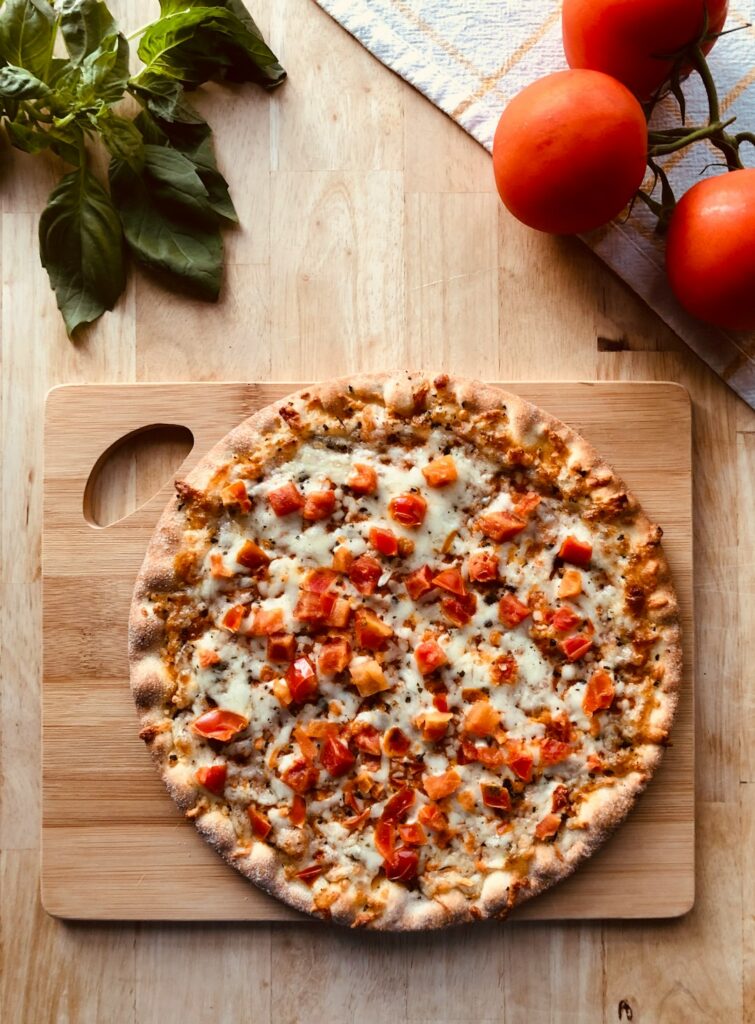
What Types of Pizza Styles Are Most Common and What Sets Them Apart?
Local households encounter a surprising variety of pizza types. The most recognized styles in Columbia, SC include New York, Neapolitan, Sicilian, and Chicago. Each has unique characteristics that influence the eating experience.
- New York-Style: Large, foldable slices with a thin, chewy crust and minimal toppings. Ideal for grabbing a quick slice or eating on the go.
- Neapolitan: Based on Italian tradition, these pizzas feature a very thin, soft crust with blistered edges, simple toppings (usually tomato, mozzarella, and basil), and are best enjoyed fresh from a very hot oven.
- Sicilian: Famed for its thick, airy, rectangular crust. The base is often spongy yet crispy, cut into squares, and holds generous amounts of cheese and sauce.
- Chicago Deep Dish: A high-edged pan pizza, almost like a savory pie, with a buttery, thick crust and toppings layered in reverse (cheese directly on the dough, followed by toppings, then sauce on top).
Due to regional preferences and climate, Columbia homes might prefer pizzas that travel well for delivery, so Sicilian and New York styles remain most common in the area.
How Do Crust Thickness and Texture Affect the Eating Experience?
Crust is the foundation of any pizza, influencing whether the pizza is soft and airy or crisp and sturdy. Here’s how local residents can think about it:
- Thin Crust: Offers a crunchy bite and lets toppings take center stage. This style stays crisp even in the humid conditions that can affect Columbia homes.
- Thick Crust: Ranges from chewy (in New York style) to bready (in Sicilian or pan pizza). These crusts can withstand heartier toppings and often appeal to families seeking a filling meal.
- Stuffed or Cheesy Crust: Increasingly common, this adds extra richness via cheese or fillings baked into the rim.
Consider personal texture preferences and household eating habits—many people in the city with busy schedules or multiple dietary needs find that thin crust allows for easier reheating and portioning.
What Toppings are Traditionally Used, and What Variations Exist Locally?
Pepperoni and classic blends like bell peppers, onions, and mushrooms are standard, but Columbia’s diverse community influences which extras appear most often.
- Traditional: Tomato sauce, mozzarella, pepperoni, sausage, mushrooms, onion, green peppers.
- Local Variations: Some area households add barbecue chicken, fresh vegetables from community gardens, or seasonal toppings reflecting South Carolina produce.
- Vegetarian/Vegan-Friendly: Dairy-free cheese and a wider array of roasted vegetables or plant-based meats have become more visible options in the city.
Local climate allows for a range of fresh vegetables much of the year, so incorporating seasonal produce is a practical way to personalize pizza at home.
Do Pizza Sizes and Shapes Matter for Households in Columbia?
Pizza size and shape can affect everything from the number of people fed to how leftovers are stored. In the city, family-sized round pizzas are typical, but square or rectangular pies are also popular for gatherings.
- Round Pizzas: Standard for most styles and easy to divide evenly.
- Rectangular (Sicilian, Grandma): Great for serving crowds and fit efficiently into most household ovens, which is helpful for residents preparing pizza at home.
- Personal/Small Pies: Useful for smaller households or individuals with specific dietary restrictions.
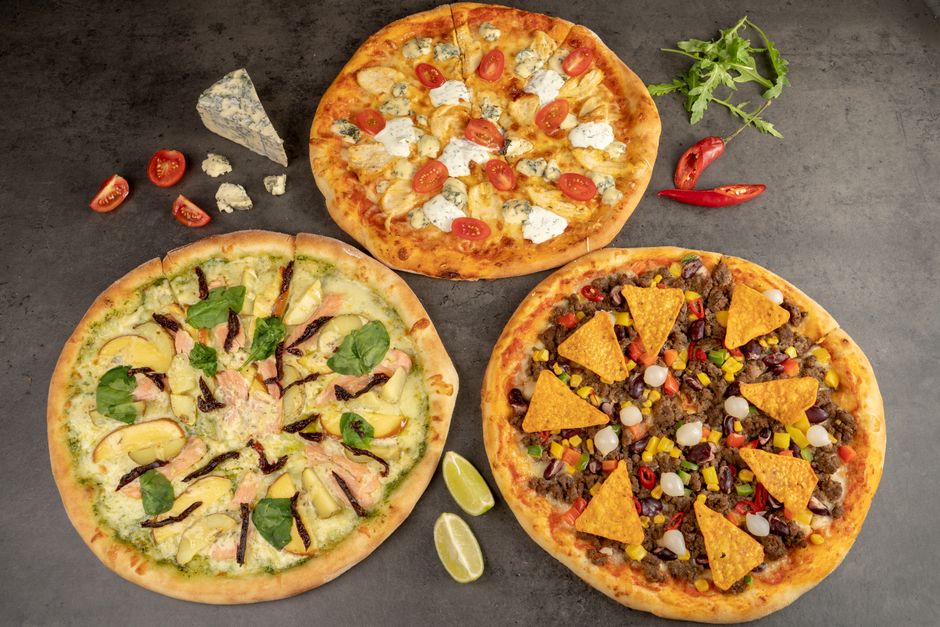
Sizing also affects cost, which can be a key factor for area families planning meals for a week or accounting for after-school snacking.
What Are Common Myths or Misunderstandings About Pizza Quality?
Many people assume that thicker crust equals better value, or that all toppings need to be piled high for a “real” pizza. In reality, style and balance matter more.
- A thinner crust doesn’t mean skimping—different crusts provide different culinary experiences.
- Heavy layers of cheese or meat can overwhelm the other flavors; traditional Italian pizzas focus on minimal, high-quality toppings.
- Frozen or take-and-bake pizzas can be made to taste surprisingly fresh by adding local produce or reheating on a pizza stone, useful in climates where humidity sometimes softens delivery pies.
For Columbia residents, understanding these distinctions makes it easier to match pizza choices to personal preferences or family needs, rather than just defaulting to the most loaded or thickest style.
Should You Think About Oven Type and Reheating When Choosing Pizza?
Yes—the type of oven at home or in the community space can influence both the style ordered and how leftovers are enjoyed.
- Thinner, crispier pizzas tend to reheat well in conventional ovens, toasters, or even on a skillet, which is handy in local households.
- Thicker or deep-dish pizzas may require longer reheating to avoid a soggy center, so slicing before storing helps.
- In warmer seasons in Columbia, heating pizza on an outdoor gas grill can refresh the crust and prevent indoor kitchen heat buildup.
Making thoughtful choices about style, crust, and toppings—paired with practical reheating strategies—helps local residents enjoy pizza at its best, whether dining fresh or reaching for a late-night leftover slice.