

 See My Latest Article on HelloNation
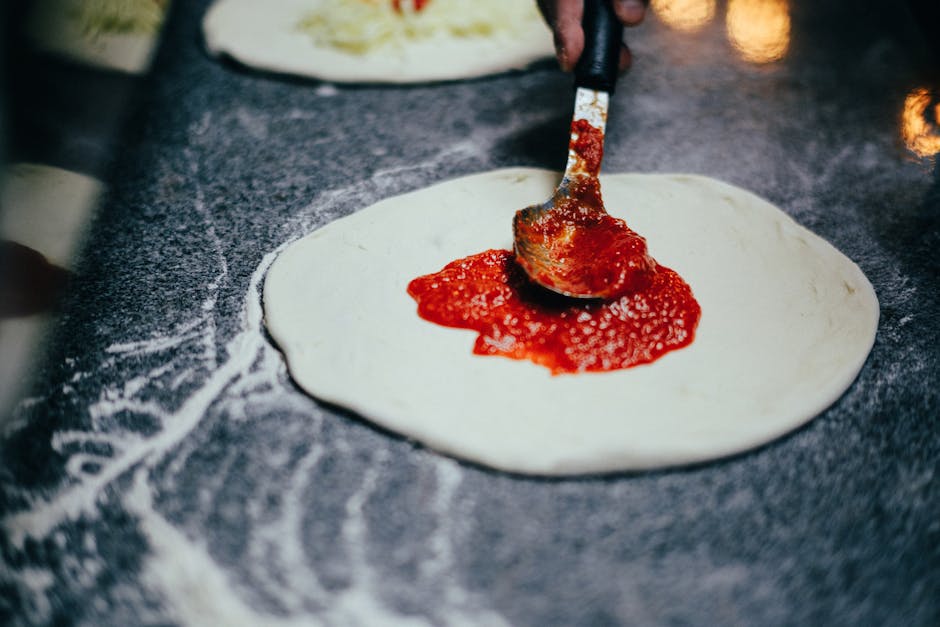
When it comes to pizza, everyone has an opinion—especially in Columbia, SC, where good food and great company are woven into the fabric of everyday life. But whether you enjoy your slice at a Five Points favorite or a cozy neighborhood spot in Shandon, one thing holds true: the crust can make or break the pizza. So, what really makes a perfect pizza crust? Let’s take a deep dive into the qualities that set a truly great crust apart, blending classic technique with the local flavor of Columbia’s vibrant pizza scene.
What Defines a “Perfect” Pizza Crust?
The definition of a perfect pizza crust might differ depending on who you ask, but there are a few universal characteristics:
- Texture: It should be crisp and golden on the outside, yet airy and chewy on the inside.
- Flavor: Depth of flavor comes from good fermentation, quality flour, and just the right hint of salt.
- Structure: A crust should be sturdy enough to hold hearty toppings, but never tough or dense.
- Appearance: It needs proper color—think leopard spots or “char”—that signals a well-executed bake.
If you’ve experienced pizza from Columbia’s thriving culinary scene, you’ve probably found a crust that struck each of these notes. Pizza places in the Vista and beyond know that a crust’s success comes from smart technique and a nod to local tastes.
The Dough: Where Greatness Begins
The foundation of any perfect pizza crust is the dough. In Columbia, local pizzerias often source quality flour and use time-honored methods. Here’s what sets the best dough apart:
- Flour Quality: Using high-protein flour gives the dough strength and elasticity, perfect for that signature stretch.
- Hydration Level: The water-to-flour ratio plays a big part in the final product’s airiness. Higher hydration can mean bigger bubbles and a lighter crumb.
- Long Fermentation: Allowing dough to rise slowly (often overnight or longer) enhances flavor and creates those desired air pockets.
Many local pizza makers, inspired by both Neapolitan and New York styles, rely on slow fermentation to achieve deep, nuanced flavors—something Columbia’s foodies truly appreciate.
Columbia’s Climate and Crust Perfection
A unique twist in crafting pizza here is the Midlands’ humid, subtropical climate. While some pizza styles thrive in the dry heat of traditional brick ovens, in Columbia, bakers must account for moisture in the air and sometimes swift temperature swings. Local pizza chefs often tweak hydration and baking times to keep their crusts on point, ensuring every batch comes out just right—no matter the weather.
Baking: The Final, Fiery Step
The baking method can make all the difference. In Columbia, you can find everything from wood-fired ovens that reach 900°F to conventional pizza stones in electric ovens. High heat is crucial:
- Leopard Spotting: Quick, intense baking creates signature charred bubbles or “leopard spots,” prized for their flavor and crispy texture.
- Oven Spring: The initial burst of heat causes rapid rising, resulting in a puffy, airy cornicione (the edge or rim of the crust).
- Even Bake: A great oven pulls double duty, cooking the toppings and the crust evenly, so you never end up with a soggy center.
Local spots like those in Devine Street or the burgeoning North Main area have mastered oven technique, often letting customers peep into the kitchen to watch the magic happen.
Local Ingredients, Local Flavor
Though the dough and bake are universal, Columbia’s pizza artisans add a dash of Southern charm. Sometimes it’s a touch of locally milled cornmeal or a drizzle of South Carolina olive oil to add character to the dough. In a city that celebrates local produce and small business, these twists give Columbia’s pizza crusts something special.
Finding Your Favorite Crust in Columbia, SC
Pizza in Columbia is a communal affair—from lively family dinners in Forest Acres to marathon study sessions with slices downtown. Residents often debate the best crust styles:
- Thin and Crispy: Inspired by New York slices—thin, foldable, yet possessing a hearty chew.
- Neapolitan-Inspired: Puffy, blistered edges, soft centers, baked in searing-hot wood ovens.
- Pan Pizza: A thicker, more substantial crust, often golden and crunchy at the base.
Regardless of style, what unites Columbia’s pizza lovers is a devotion to fresh, thoughtfully crafted dough and the local touch.
Tips for Making the Perfect Pizza Crust at Home
If you’re inspired to make your own crust in your Columbia kitchen, here are a few pro tips:
- Use Bread Flour: It has higher protein than all-purpose, resulting in better structure and chew.
- Cold Ferment: Let your dough rest in the fridge for 24-72 hours for maximum flavor.
- Don’t Overwork the Dough: Handle gently to preserve air bubbles.
- Get a Pizza Stone: Preheat it thoroughly—it’ll help replicate that restaurant-quality bake.
- Watch the Humidity: On humid Columbia days, you may need slightly less water in your dough.
Why the Crust Is the Community’s Foundation
Pizza brings Columbia together, whether at Soda City Market or in neighborhood pizzerias. The perfect crust is more than just a vessel for toppings—it’s the sign of a pizzaiolo’s care and a city’s food culture. Next time you bite into a slice on Main Street, at a UofSC game night, or at a backyard gathering, you’ll know what makes that crust so memorable.
In Summary
A perfect pizza crust blends science, art, and a pinch of local flair. In Columbia, SC, where traditions are honored and local flavors celebrated, the quest for the ideal crust is embraced by chefs and diners alike. It’s a testament to quality ingredients, patience, technique, and community spirit—one delicious bite at a time.