

 See My Latest Article on HelloNation
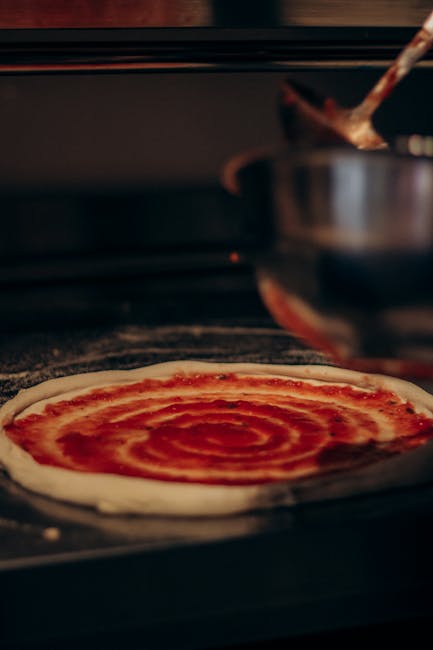
If there’s one thing people in Columbia, SC know how to do, it’s gather for good food and fun. Whether you’re prepping for a pizza night on the Devine Street porch or seeking a culinary challenge in your Shandon kitchen, learning how to make authentic Italian pizza dough at home will elevate your pizza game. No pizza shop or delivery service can replicate the deep satisfaction of making and baking your own thin, chewy, perfectly crisp crust, all from scratch.
In this blog, I’ll walk you step-by-step through crafting Italian pizza dough, including the ingredients, methods, local tips, and troubleshooting—so you can bring a slice of Italy right to your own Columbia home.
What Makes Italian Pizza Dough Authentic?
Authentic Italian pizza dough is defined by its simplicity: just a handful of ingredients and no fancy machinery. The classic Neapolitan tradition requires only flour, water, yeast, salt, and time. There are no eggs, sugar, or oil in the base dough—just pure, natural flavor that gets better as it rises.
Key Characteristics of Authentic Italian Pizza Dough:
- Thin and tender on the inside
- Crisp on the outside
- Slightly chewy texture
- Mild tangy aroma from slow fermentation
Ingredients You’ll Need
Here’s what you’ll need for two 12-inch pizzas—double or halve the recipe depending on your local pizza crowd:
- 500g (a little over 3 cups) Tipo ‘00’ flour (available at many local groceries like Publix, Whole Foods, or Weaver Street Market)
- 325ml (1 ⅓ cups) lukewarm water
- 2 tsp sea salt
- ¼ tsp active dry yeast (or 2g fresh yeast, if you find it)
- Semolina or extra flour for dusting
Tip: In Columbia, artisan flour options are expanding—you can now find imported ‘00’ Italian flour or high-protein bread flour, both excellent choices for authentic dough.
Step-by-Step Instructions
1. Mix Your Dough
- In a large bowl, combine about 90% of your flour and all the yeast, stirring briefly.
- Add the water. Mix until you have a sticky, shaggy dough.
- Add the salt, and incorporate the remaining flour.
Local tip: Columbia’s humid summers can affect dough consistency—add water slowly and adjust flour as needed until the dough is soft, not sticky.
2. Knead
- Knead your dough on a lightly floured surface for about 10-12 minutes. You want a smooth, elastic ball.
- If you’re short on time, most stand mixers can knead the dough too—use a dough hook on low for 7-8 minutes.
3. First Rise (Bulk Fermentation)
- Place the kneaded dough in a lightly oiled bowl and cover with a damp towel or plastic wrap.
- Let it rise at room temperature for 2-3 hours, or until doubled in size.
Columbia’s warm spring and summer temperatures are perfect for proofing dough. In colder months, place your bowl in an unheated oven with just the light on.
4. Portion and Rest
- Divide your dough into two equal balls.
- Place each on a floured tray, cover, and let them rest for 30-60 minutes more. This final rest relaxes the dough—key for stretching thin bases.
5. Stretching the Dough
- Work on a floured work surface. Pick up one ball of dough and press gently from the center outward, using your fingertips to stretch and shape.
- Don’t use a rolling pin—this pushes out air and makes the crust too dense.
- Aim for a 12-inch round with a slightly thicker rim.
6. Ready to Bake
Before adding toppings, gently transfer the stretched dough onto a parchment-lined baking sheet or a pizza peel if you’re using a pizza stone.
Baking Tips for Columbia Pizza Lovers
Oven Temperature
For truly authentic results, bake your pizza as hot as possible. Most home ovens in Columbia peak at 500°F. If you have a pizza stone or steel, preheat it for at least 30 minutes to mimic the floor of a wood-fired oven.
Toppings
Keep it simple! Classic combinations like:
- Tomato sauce + fresh mozzarella + basil (Margherita)
- Thin-sliced Italian sausage + mushrooms + roasted red peppers
- Olive oil + garlic + arugula after baking
Let the crust shine, just as Italian pizzas are meant to do.
Baking Time
Slide your pizza quickly onto the stone or bake on a preheated steel for 8-10 minutes, until the crust is golden and the cheese is bubbling.
Local Columbia Connections
There’s something uniquely rewarding about making dough from scratch after a stroll through Soda City Market or right before an evening game at Founders Park. Columbia’s mix of historic charm and creative energy is the perfect backdrop for home-cooked traditions. Invite friends over, serve local craft beers, and let everyone top their own pizza. You’ll create memories that go beyond dinner.
Troubleshooting: Common Dough Issues
- Dough won’t stretch: It needs more time to rest; let it relax covered for 10-20 minutes longer.
- Crust won’t brown: Your oven needs to be hotter, or use a stone/steel to intensify the bottom heat.
- Dough is tough: Over-kneading or too much flour; next time, knead until just smooth and elastic.
Storing and Freezing Homemade Pizza Dough
Homemade dough is perfect for prepping ahead. After the first rise, wrap each dough ball tightly in plastic wrap and refrigerate for up to 3 days. For longer storage, freeze dough balls in airtight bags. Thaw overnight in your fridge, then bring to room temp before shaping.
Bringing the Taste of Italy Home, Columbia-Style
Crafting Italian pizza dough is more than a recipe; it’s a hands-on tradition that suits Columbia’s neighborly, DIY spirit. Whether you’re hosting an outdoor dinner on your patio, celebrating a Gamecocks win, or just enjoying a relaxing night in, homemade pizza will always bring people together.
Next time you crave pizza night, skip the delivery. With these simple, authentic steps, you’ll discover just how easy (and delicious) it is to bring a piece of Italy into your Columbia kitchen!