

 See My Latest Article on HelloNation
What Makes a Pizza Gluten-Free?
A gluten-free pizza is made without wheat, barley, or rye—grains containing gluten, a protein that triggers problems for people with celiac disease or sensitivity. This means the crust, sauce, and toppings should all be checked for hidden gluten. In many households across Columbia, finding safe and delicious alternatives can be a priority for health reasons or personal preference.
Which Flours Are Used for Gluten-Free Pizza Dough?
Gluten-free pizza typically starts with flours like rice, tapioca, potato, or corn, rather than wheat flour. Each flour provides a different texture and flavor:
- Rice flour brings a mild taste and a slightly crisp edge.
- Tapioca and potato starches help mimic the chewiness of traditional dough.
- Chickpea or almond flour can be used for a nutty flavor, but often come with denser results.
- Premade gluten-free flour blends are available, simplifying the process, but reading labels is key to ensure no allergens or additives are included.
Locally, residents may find that climate affects how much extra water gluten-free flours need—hot or humid days in the city often call for minor adjustments to keep the dough workable.
How Can You Get the Right Pizza Dough Texture Without Gluten?
With gluten out of the mix, the traditional stretch and chew of pizza dough require some substitutes. Most recipes for the area’s kitchens include binding agents like xanthan gum or psyllium husk to add structure. Here are a few practical tips:
- Mix dough with wet hands or a spatula; gluten-free dough is stickier than wheat-based dough.
- Give the dough time to rest before shaping for more flavor and easier handling.
- Spread dough onto parchment with oiled fingers or a rolling pin, since it’s not kneadable or stretchable like traditional dough.
Because the kitchens in Columbia often have high humidity, it’s common for gluten-free doughs to feel softer than their wheat counterparts. A slightly sticky dough usually bakes up better than an overly dry one.
What’s Different About Baking Gluten-Free Pizza at Home?
Baking techniques make a substantial difference in gluten-free results. A few details are especially relevant for area households:
- Baking on a preheated pizza stone or heavy baking sheet helps develop a crisp bottom, important when using extra-moist gluten-free dough.
- Most gluten-free crusts benefit from par-baking: bake the crust for a few minutes first, then add sauce and toppings before finishing.
- Use medium heat (usually 425-450°F) for best texture, and avoid overloading with sauce—gluten-free crusts can become soggy more quickly.
In older Columbia homes without modern ovens, rotating the pizza or using the lowest oven rack may improve crispness.
Are Pizza Sauces and Toppings Always Gluten-Free?
Sauces and toppings are not always naturally gluten-free. Some common pizza sauces use wheat-based thickeners or hidden flavoring agents. Similarly, processed meats or pre-shredded cheeses sometimes include gluten-containing additives.
To avoid these pitfalls:
- Make simple tomato sauce with crushed tomatoes, olive oil, garlic, and herbs.
- Use whole, unprocessed cheeses and fresh or naturally gluten-free toppings.
- Always check ingredient lists for hidden sources of gluten, especially with meats, pickled items, or specialty cheeses.
Residents who prefer take-and-bake or frozen options should verify all packaging, since labeling standards vary.
What Are Common Mistakes When Making Gluten-Free Pizza?
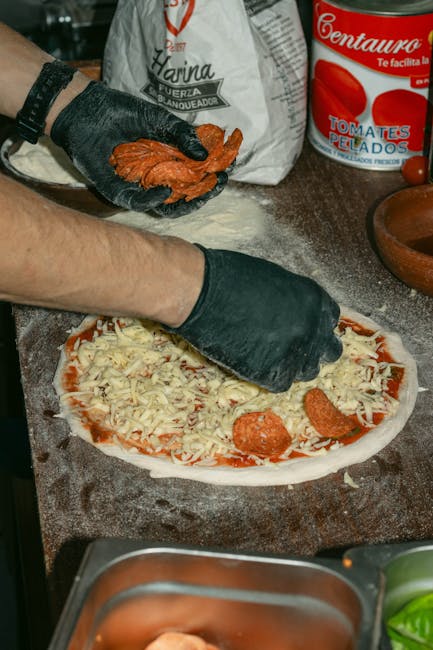
Several pitfalls can lead to disappointing results or cross-contamination, especially in shared kitchens within the city:
- Using shared pizza stones, pans, or cutters that have touched traditional flour crusts.
- Preparing dough on counters dusted with wheat flour from previous baking.
- Skipping the binding agents or substituting them with items not designed for baking structure.
- Expecting the dough to behave like wheat-based dough in mixing or stretching.
Washing all equipment and hands thoroughly, and using parchment during prep, helps keep gluten-free efforts safe for sensitive family members.
Can Gluten-Free Pizza Taste Like the Traditional Version?
Gluten-free pizza will have a slightly different texture and flavor, but with practice, many Columbia households find satisfying results. Three ways to close the gap:
- Experiment with different flours or blends to find one that matches your tastes and oven.
- Consider a thin-crust approach, which generally bakes up crisp and holds toppings well.
- Let the crust rest after baking—some flours firm up and improve in flavor as they cool slightly.
In the region’s warm climate, cooling crust for a few minutes before slicing also keeps toppings intact and prevents sogginess.
How Can Local Conditions in Columbia, SC Impact Homemade Pizza?
Columbia’s humid summers and mild winters influence gluten-free dough preparation and storage:
- Store flour blends and starches in airtight containers to keep them from absorbing moisture.
- Dough may rise or ferment faster in the city’s warmth—watch recipes closely and adjust rest times if needed.
- Finished crusts can go stale more quickly in humidity, so eat soon after baking or store leftovers in sealed bags.
Most area homes find that with small adjustments for temperature and humidity, gluten-free pizza can fit smoothly into meal planning—whether for celiac safety or simply variety.