

 See My Latest Article on HelloNation

Why Try Vegan Pizza in Columbia, SC?
Vegan pizza offers a flexible way for Columbia, SC residents to include more plant-based meals without sacrificing flavor or enjoyment. Unlike traditional pizza, vegan versions skip animal products—including cheese and meat—but still allow endless possibilities for fresh, satisfying, and creative combinations. Many area households are exploring vegan options due to dietary preferences, health goals, or environmental considerations. Local seasonal produce, pantry staples, and common kitchen tools make it easy to prepare vegan pizza that everyone at the table can enjoy.
What Are the Core Elements of a Vegan Pizza?
A vegan pizza usually consists of a plant-based crust, sauce, toppings, and occasionally a vegan cheese or alternative. Each component can be customized to fit taste and dietary needs:
- Crust: Most classic pizza dough recipes are naturally vegan, relying on flour, water, yeast, olive oil, and salt. However, it’s worth checking labels if using store-bought dough to avoid dairy or honey, sometimes included for flavor or browning.
- Sauce: Traditional tomato sauce is vegan by nature, especially when it’s made from scratch using local tomatoes, herbs, and olive oil. For variety, residents can try pesto (made with dairy-free cheese or nutritional yeast), white garlic sauces with a cashew or plant milk base, or even hummus.
- Vegan Cheese: Options range from simple homemade cashew-based blends to shredded nut- or soy-based cheeses available at major grocery stores. Many Columbia households skip cheese altogether, letting toppings take center stage.
Which Toppings Make Vegan Pizza Especially Flavorful?
Vegan pizza shines with a broad mix of colors, textures, and seasonal ingredients. Some go-to topping ideas:
- Roasted Vegetables: Such as zucchini, bell pepper, onion, mushrooms, and cherry tomatoes available from spring through fall in Columbia gardens and markets.
- Leafy Greens: Spinach, arugula, or kale wilt gently in the oven, adding both nutrients and a slight bite.
- Pan-Fried Tofu or Tempeh: For a protein boost, cubes of tofu or slices of tempeh, quickly pan-fried with spices or barbecue sauce, add substance and flavor.
- Legumes: Chickpeas or white beans sprinkled on top before baking create a satisfying, slightly nutty element.
- Fruits: Thin slices of pineapple, figs, or apple provide a sweet contrast, especially when paired with balsamic glaze or spicy peppers.
- Fresh Herbs: Basil, oregano, chives, or cilantro add a bright finish right before serving.
It’s easy to select toppings based on availability at local grocery stores, farmers’ markets, or even small home gardens.
Are There Plant-Based Cheese Alternatives That Actually Work?
Yes, though preferences differ widely. Some residents prefer homemade cheeses using nuts (cashews, almonds) and nutritional yeast for a creamy, tangy quality. Thinner “cheese” sauces made from soaked cashews blended with lemon juice, garlic, and a bit of plant milk melt well on pizza and add richness.
Store-bought options, found in most major supermarkets throughout Columbia, use bases like coconut oil, potato starch, or soy. While they melt, the texture can be different from dairy cheese, so trying a few brands may help pinpoint a favorite. For some households, simply sprinkling on nutritional yeast or omitting cheese altogether lets vegetable and sauce flavors come forward.
Experimenting with combinations—such as a thin layer of cashew cheese plus sliced tomatoes and basil—often produces delicious results without needing to mimic traditional cheese exactly.
How Do Vegan Pizza Recipes Change with Columbia’s Seasons?
The long growing season and relatively mild winters in the city allow for adaptation based on what’s fresh and available:
- Spring: Asparagus, new potatoes, and arugula make bright, crispy toppings.
- Summer: Abundant zucchini, squash, tomatoes, and basil can create a colorful, fresh-tasting pie.
- Fall: Roasted butternut squash, sweet potatoes, and hearty greens like kale blend well with sage or rosemary.
- Winter: Caramelized onions, mushrooms, and even thinly sliced Brussels sprouts provide rich flavor when fewer other vegetables are available.
Using what’s in season keeps vegan pizzas affordable and supports local growers when possible.
What Are Easy Vegan Pizza Ideas for Families or Groups?
Vegan pizza is often more about assembling than complex cooking, making it ideal for households with mixed diets or busy schedules. Examples of easy combinations popular in area homes include:
- “Veggie Supreme”: Tomato sauce, sautéed onions and peppers, mushrooms, black olives, and a sprinkle of nutritional yeast.
- “Bright and Green”: Kale, artichoke hearts, and peas over a thin garlic cashew sauce.
- “Southwest Style”: Black beans, grape tomatoes, corn, avocado (added after baking), and cilantro.
- “BBQ Tempeh”: Barbecue sauced tempeh slices, red onion, and scattered pineapple chunks.
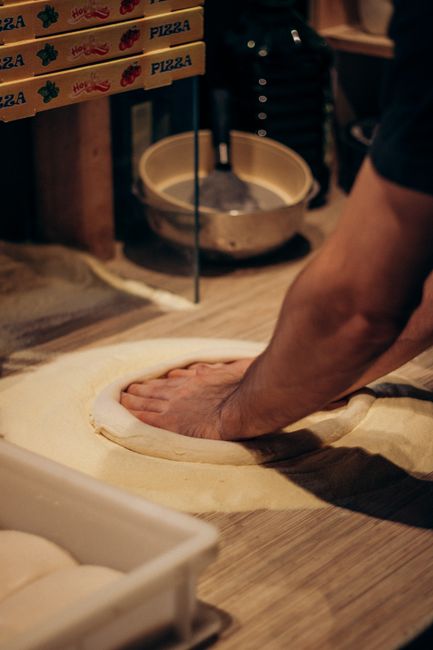
Many families in Columbia enjoy “pizza night” by letting each person top their own mini pizza rounds with their favorite vegetables and sauces.
Can Vegan Pizza Be Prepared for Outdoor Events or Potlucks?
Absolutely. Since vegan pizza can be served hot or at room temperature, it’s a practical dish for picnics at Riverfront Park or gatherings in neighborhood backyards. For convenience:
- Pre-bake crusts or buy ready-to-use crusts.
- Assemble with sauce and toppings just before baking or grill outdoors using a pizza stone.
- Slice and serve on wooden boards, with extra herbs or oil for drizzling at the table.
Because there are no animal products, vegan pizza is generally safer for short periods without refrigeration, though it’s still best to store leftovers promptly, especially during the region’s hot summers.
What Mistakes Do People Commonly Make When Trying Vegan Pizza?
A few patterns often limit success for first-timers:
- Overloading the crust with too many vegetables, leading to sogginess—especially with watery toppings like zucchini or tomatoes. Pre-roasting or patting them dry helps prevent this.
- Choosing only raw toppings, which can limit depth of flavor. Roasting, grilling, or sautéing vegetables before baking brings out sweetness and richness.
- Relying solely on vegan cheese to carry the pizza, when a flavorful sauce and thoughtfully seasoned veggies often matter more.
Being open to experimenting with different textures and toppings often leads to a much more satisfying experience.
How Can You Make Vegan Pizza Fit Local Tastes and Household Habits?
Residents of Columbia often enjoy bold, layered flavors. Adding local hot sauces, garden-fresh basil, or pickled jalapeños suits regional preferences. Toasted nuts or seeds, such as pecans or sunflower seeds, lend crunch and Southern character.
For busy families, prepping dough or sauces ahead and storing in the fridge makes assembly quick after work or school. Sharing tasks—like having kids wash vegetables or sprinkle herbs—fosters engagement and makes vegan pizza night a relaxed, interactive meal.