

 See My Latest Article on HelloNation

Is Making Pizza at Home Realistically Easier for Columbia Families?
For many households, the idea of homemade pizza sounds fun but may seem daunting. In the Columbia, SC area, where busy school and work schedules collide with Southern humidity and typical kitchen layouts, the decision often comes down to convenience versus experience. Making pizza at home isn’t as complicated as some imagine, but it does require a little planning and patience, especially if making dough from scratch.
Most local kitchens are equipped for it—standard ovens, accessible ingredients from major grocery stores, and enough counter space in most single-family homes and apartments. The biggest initial hurdle is getting everyone involved and managing expectations about mess and prep time. Families comfortable with flour on the countertops and flexible about imperfect shapes tend to enjoy homemade nights the most.
How Do Costs Compare Over Multiple Weeks?
For a typical family in Columbia, homemade pizza usually costs less per serving, especially if staples like flour, yeast, and sauce are bought in bulk. The savings become clearer over repeated weekly pizza nights. In contrast, takeout prices vary depending on the source, but usually incur delivery fees, tip, and the premium for ready-made convenience.
- A basic homemade pizza (using store-bought ingredients): around $7–$10 for 2–3 medium pies
- Takeout equivalent: around $20–$30 for a meal-sized order, often before fees
The cost difference adds up over time, though it may shrink for families who like lots of premium toppings or specialty cheeses at home. Factoring in occasional ingredient waste or baking mishaps is wise, but overall, homemade typically stays less expensive week in and week out.
Which Option Fits Columbia’s Lifestyles and Spaces?
In the city, family life ranges from downtown apartments without backyard grill access to suburban homes with full kitchens. Homemade pizza works best where space and ventilation allow for safe, enjoyable cooking, especially during humid months when Columbia’s climate can make hot ovens less appealing. Summer months might push more families toward takeout to keep kitchens cool, while cooler months aren’t as much of an obstacle.
Small-space dwellers or renters without pizza stones, large ovens, or apartment-friendly cooking setups may find takeout more attractive at least some weeks. However, stovetop or cast-iron pan pizzas are effective substitutes for traditional baking, suited to almost any kitchen in the area.
What About Time, Clean-Up, and Family Involvement?
Time is the central concern. Homemade pizza can be as quick as using pre-made dough and jarred sauce—about 30–40 minutes, including assembly and baking. From-scratch dough or elaborate recipes can double that. The main advantage is flexibility: kids can help stretch dough, add toppings, or taste-test sauce, turning pizza night into a shared learning experience.
Clean-up can be more involved than takeout but teaching kids to help with simple tasks like wiping counters or washing pans can make it manageable and even part of a weekly routine.
- Homemade may take 30–90 minutes, depending on dough style and workflow
- Takeout requires few dishes and almost no clean-up—but leaves less room for everyone to participate
Families who value hands-on activities and have the time some nights may find homemade pizza more enjoyable. On evenings packed with after-school commitments, takeout is likely more practical.
How Does Quality Stack Up: Taste, Ingredient Control, and Health?
Homemade pizza puts control in residents’ hands—from choosing organic vegetables at local markets to moderating the amount of cheese and salt. For those with food allergies or dietary restrictions, homemade is typically safer and more adaptable.
Flavor is subjective. Some say homemade has a “fresh from the oven” taste that can’t be replicated with takeout, while others prefer the consistent results and crust styles from professional kitchens. Residents have noticed that at-home methods are improving with more widely available pizza stones and accessible beginner recipes found online or in community cookbooks.
Local takeout options offer restaurant-grade cheeses, meats, and specialty toppings tough to replicate at home. However, the lack of ingredient transparency sometimes matters to those tracking nutrition or food sensitivities.
What Might Get Overlooked in This Decision?
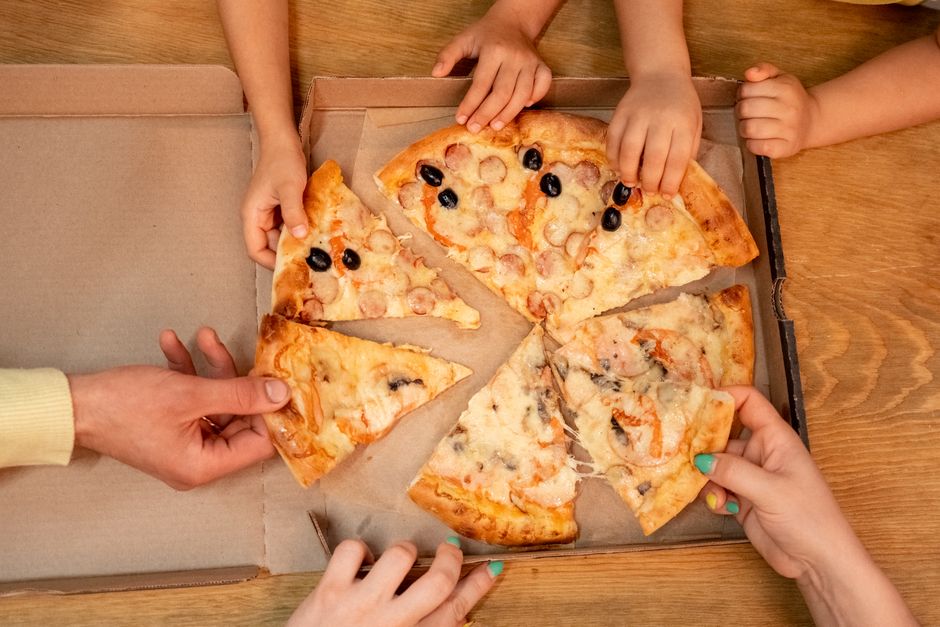
It’s easy to forget about the small trade-offs:
- Takeout saves effort and reduces pre-dinner stress but reduces active family participation
- Homemade pizza can become a new tradition, encouraging skills like measuring, patience, and teamwork
- Columbia’s humid summer nights may argue for takeout, while cooler months are friendlier to oven baking
- Ingredient quality for homemade pies can vary depending on season and store availability in the metropolitan area
Weekly routines, grocery shopping habits, and how much a family enjoys cooking together all help determine what makes sense.
Local Tips for Tweaking Pizza Night in Columbia
Small adjustments can make both options work better for local families:
- Use quick-rise yeast or pre-made crusts to ease homemade prep after work or school
- Employ charcoal or gas grills outdoors, especially during milder spring and fall evenings
- Store surplus ingredients for next week’s pizza night to reduce waste
- Consider rotating between homemade and takeout to balance effort, fun, and cost
Ultimately, balancing household schedules, budget, and the desire for togetherness shapes what works best for area families—sometimes, alternating approaches is the recipe for long-term pizza night success.