

 See My Latest Article on HelloNation
What Makes Pizza Crispy Instead of Chewy?
Crispiness in pizza is the result of how heat moves through the dough and the balance of moisture during baking. At home in Columbia, many residents find their pizza crust turns soft or doughy due to common household ovens and local humidity, but there are proven techniques to encourage crisping.
Unlike commercial pizza ovens that reach 800°F or higher, most home ovens max out at 500°F. The surface used, dough hydration, and how toppings are layered also have a direct effect on whether a pizza becomes crisp or stays soft.
Can You Get Crispy Pizza in a Regular Home Oven?
Yes, it is possible to achieve a crisp crust using a standard home oven in Columbia. The key is to maximize heat transfer and reduce moisture contact with the crust.
Local apartments and houses often have ovens with temperature limitations, but residents can use:
- A preheated pizza stone or baking steel
- Very thin, low-moisture dough
- Limited sauce and cheese to prevent sogginess
These approaches replicate some of the crispy qualities of pizzeria pizza even in typical city kitchens.
Does Humidity or Weather in Columbia Affect Homemade Pizza?
Columbia’s humid climate, especially in summer, can affect pizza dough. High humidity causes flour to absorb extra moisture, making dough stickier and potentially softer after baking.
To adjust for local conditions:
- Use slightly less water when mixing dough in humid weather
- Weigh flour for accuracy instead of relying on cup measurements
- Consider reducing rise time to limit dough slackness
Additionally, letting dough rest in a cool, dry place can help manage excess stickiness.
What Type of Dough Recipe Gives the Crispest Results?
Dough with lower hydration (less water per flour weight) and a bit of added oil crisps better in traditional ovens common to community households.
A basic crispy dough mix might look like:
- Bread flour: 100%
- Water: 60-62% (by weight, less on humid days)
- Salt: 2%
- Olive oil: 2-3%
- Yeast: 0.2-0.4%
Mix, knead until smooth, let rise for a few hours at room temperature (not too long in warm weather), and shape thinly for baking. The oil aids browning and crispiness.
Are Special Baking Surfaces Worth It for Home Pizza?
A pizza stone or baking steel makes a significant difference for many Columbia households. These tools absorb and retain heat, delivering a burst of energy to the dough as soon as it hits the surface—improving browning and crunch.
Here’s what to know:
- Pizza stones are more affordable and widely available
- Baking steels are heavier, more durable, and crisp the crust even faster
- Always preheat the stone or steel for at least 45 minutes at the oven’s highest temperature
Use parchment paper or a light dusting of cornmeal to prevent sticking.
How Should Toppings Be Applied to Encourage Crispiness?
Heavy toppings or excess sauce trap steam, which softens the crust. Layer toppings thinly and drain moisture-rich items (like fresh mozzarella or vegetables) on paper towels before use.
Tips include:
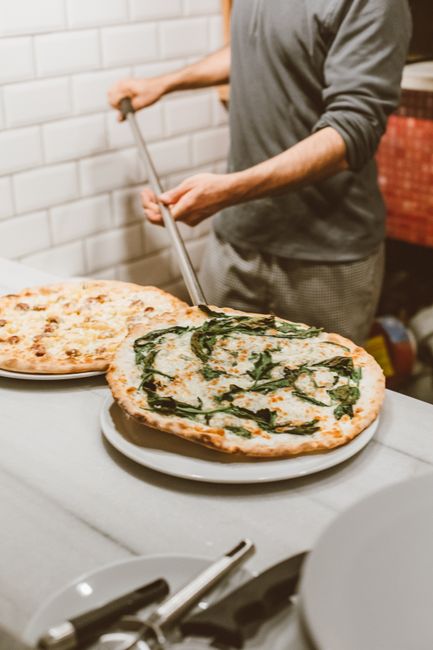
- Spread sauce in a thin, even layer—avoid over-saturating the dough
- Opt for low-moisture mozzarella and partially pre-cook watery vegetables (like mushrooms or peppers)
- Place cheese closer to the crust under the toppings to create a moisture barrier
This approach is especially effective in the city’s dense neighborhoods, where older home ovens may lack powerful bottom heat.
How Does Baking Technique Influence Crisping?
Placement in the oven matters. For crisp crust, bake pizza on the lowest rack, as close as possible to the heat source. This takes advantage of the direct heat, minimizing the soggy effect of steam rising through the middle or top racks. Other useful techniques:
- Avoid opening the oven door unnecessarily, which sinks the temperature
- Use convection settings, if available, to decrease bake time and dry the crust faster
- Let the pizza cool on a wire rack—removing it from the pan or stone right after baking prevents the bottom from steaming
In Columbia, many residents achieve better results by “par-baking” the dough alone for a few minutes before adding sauce and toppings, which builds a firmer base.
Are There Common Mistakes That Prevent a Crispy Crust?
Frequent causes of soft pizza at home include:
- Not preheating the oven or stone long enough
- Using too much dough or thick crust
- Adding too many wet toppings
- Removing the pizza from the oven too soon—undercooked dough remains chewy
- Leaving baked pizza on a solid tray instead of transferring to a rack
For Columbia’s variety of kitchen setups, patience with preheating and careful dough handling make a noticeable difference.
What Local Factors Should Be Considered?
In Columbia, the combination of humid weather and a range of oven models in area homes means trial and small adjustments may be necessary. During hot months, rising dough in an air-conditioned space can help manage stickiness and yeast activity. For those living in apartments, where oven heat retention can be limited, consider smaller pizzas or “personal” sized pies to ensure the oven keeps up and the crust fully crisps.
No matter the setup, consistency comes from practice and small tweaks to both ingredients and techniques.