

 See My Latest Article on HelloNation
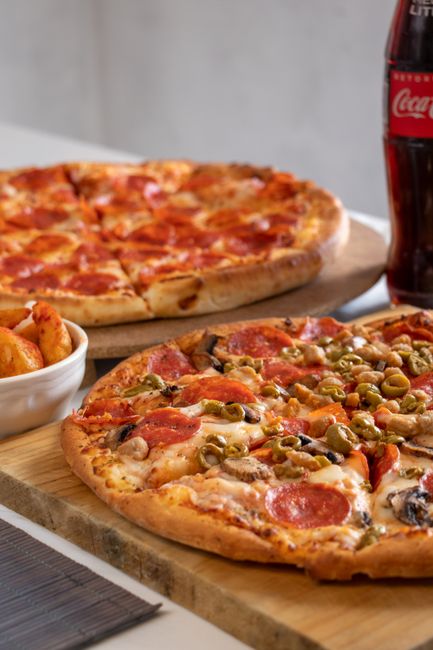
What Does a Pizza Stone Do for Homemade Pizza?
A pizza stone acts as a heat reservoir, closely mimicking the conditions of a traditional pizza oven by providing steady, high heat. This helps create crispier crusts and more evenly cooked toppings than a standard kitchen pan. In Columbia, SC, where humidity can be high for much of the year, getting a crisp crust at home without a stone can be especially challenging.
The key benefit is the stone’s ability to transfer intense, dry heat to the dough quickly. This is crucial when baking pizza in a standard oven, which generally does not reach the high temperatures of professional pizza ovens.
How Should a Pizza Stone Be Prepared for Use?
Before baking, the stone must be heated thoroughly. Place it on the middle rack of a cold oven and let it preheat as the oven comes up to temperature, usually between 450°F and 500°F. For best results, allow at least 30 to 45 minutes of heating time. This step ensures the entire surface of the stone is saturated with heat.
- Avoid placing a cold stone in a hot oven, as sudden temperature changes can cause cracking.
- Do not season or oil the stone.
- Dust the stone lightly with cornmeal or flour before laying out the dough to help prevent sticking.
What’s the Best Way to Transfer Pizza to a Hot Stone?
Transferring uncooked pizza onto a blazing-hot surface is tricky. Using a pizza peel—a flat, shovel-like tool—is the classic approach, but most home cooks in Columbia can achieve similar results with other methods.
- Prepare your pizza on a sheet of parchment paper or on a flat baking sheet dusted with flour or cornmeal.
- When ready to bake, slide the pizza (parchment and all) onto the stone. The parchment can be removed after a few minutes of cooking if desired.
Taking care not to touch the hot stone or oven rack is key for safety.
How Long Should Pizza Bake on a Stone?
Once the pizza is on the stone, baking times are usually shorter than with a metal pan. Most pizzas bake in 8 to 12 minutes, or until the crust is golden and toppings are bubbly. Factors that affect timing for local residents include dough thickness, the moisture of toppings, and oven variances common in older homes in the city.
Visually check the bottom of the crust by lifting it with a spatula partway through baking. A well-baked pizza will have a firm, nicely browned underside.
Common Mistakes and How to Avoid Them
Even experienced cooks sometimes make these mistakes with a pizza stone:
- Not preheating the stone long enough—this often leads to soggy crusts.
- Using soap on the stone—this can lead to strange flavors in later use. Instead, scrape off bits of stuck dough and wipe with a damp cloth once the stone is fully cooled.
- Sudden temperature shocks—placing a cold stone in a hot oven, or adding cold water to a hot stone, can cause cracks.
- Overloading the pizza with wet toppings—especially on humid summer days in Columbia, this can lead to limp crusts.
Can a Pizza Stone Be Used Outside the Kitchen?
Yes, a pizza stone can be helpful beyond the oven. During the heat of Columbia’s summers, many residents use outdoor grills to cook pizza and keep indoor temperatures down. Simply place the stone on the grates before preheating the grill, ensuring the lid can fully close. Use indirect heat if possible, as most stones do not tolerate direct flames well.
This approach replicates high-heat oven conditions and can be particularly useful during power outages, renovations, or when entertaining outdoors.
How Do You Care for and Store a Pizza Stone?
After use, let the stone cool completely in the oven before handling, as rapid cooling sometimes causes stress cracks. For cleaning:
- Scrape off any stuck food once cool.
- Avoid soaking or using soap.
- Store in the oven, if possible; it does not need to be removed. Some residents find that leaving the stone in during other baking helps with even heat, but it should be removed during oven self-cleaning cycles, as extreme temperatures may damage it.
Are There Alternatives to a Pizza Stone for Local Households?
While a pizza stone provides a classic result, some area cooks use alternatives. An unglazed ceramic tile (often called a quarry stone) from a home improvement store can work, provided it is food-safe and free from chemical treatments. Preheated cast iron pans or steel baking sheets are also good options, delivering similar benefits—especially for thin or individual-sized pizzas.
Regardless of the method, the goals remain the same: high, even heat and fast baking times for the best crust.