

 See My Latest Article on HelloNation

What Makes Neapolitan and New York-Style Pizza Unique?
Both Neapolitan and New York-style pizzas have devoted fans and deep culinary roots. The differences go far beyond shape or size—each style reflects a distinct history, technique, and eating experience. Understanding these contrasts helps area residents in Columbia, SC make satisfying choices, whether dining out or preparing pizza at home.
How Are the Dough and Crusts Made Differently?
The biggest difference lies in preparation methods and ingredients. Neapolitan pizza is known for its soft, chewy crust that’s slightly charred in spots. Authentic versions use only four key ingredients: flour, water, salt, and yeast—no sugar or oil is added to the dough. The dough is hand-stretched and baked at extremely high temperatures (800°F and up) for just 60-90 seconds, creating a tender, puffy edge and a center that can be almost creamy.
New York-style pizza dough, on the other hand, usually includes sugar and a bit of olive oil, resulting in a sturdier, more elastic crust. This dough is rolled or tossed and baked at lower temperatures (typically 500-600°F) for several minutes. The finished crust strikes a balance: thin and crisp underneath, but still pliable enough to fold in half—something many local residents appreciate for busy lunches or on-the-go meals.
What About Sauce and Cheese?
In Neapolitan pizza, sauce is made from uncooked crushed tomatoes with minimal seasoning, letting the fresh tomato flavor shine. Fresh mozzarella (often bufala or fior di latte) is torn into pieces and added sparingly, melting into creamy pockets during the quick bake. Just a drizzle of olive oil and a few basil leaves finish it off.
New York-style pizzas use a cooked tomato sauce, seasoned with herbs like oregano and garlic, and spread more generously. Low-moisture shredded mozzarella cheese covers the pie from edge to edge, melting into the familiar bubbly golden blanket recognized by many in the city.
What Toppings Are Traditional or Popular?
Toppings on Neapolitan pizza stick to simplicity and tradition: fresh basil, perhaps a few slices of cured meats or vegetables, but never overloaded. Strict standards limit combinations so that the crust and base flavors remain central.
New York-style pizza, meanwhile, offers a wide array of topping options—pepperoni, sausage, mushrooms, peppers, onions, and more. In the city, it’s common for each household or group to customize a pie with combinations that reflect local tastes.
Does the Serving Style Change the Eating Experience?
Neapolitan pizza is typically served as a whole, unsliced, and meant to be eaten with fork and knife, particularly when hot out of the oven. The tender crust can lose structure easily, especially in humid weather or rainy seasons common in Columbia, which can cause pizzas to steam quickly in takeout boxes.
New York-style slices are sold by the cut, often as large, triangular pieces meant to be folded and eaten by hand. This makes them a familiar favorite at local gatherings, picnics, or outdoor activities—resisting sogginess for longer durations even if the air is thick with moisture.
Which Pizza Works Best for Local Lifestyles and Weather?
For outdoor events or casual meals, New York-style pizza’s ability to be held, folded, and shared by the slice stands out in Columbia’s active community settings. Its thicker base helps withstand transportation, humid summers, and the needs of mixed-age groups. Cold slices also remain tasty, making them popular for leftovers in local households.
Neapolitan-style pizza is often associated with a leisurely meal, best enjoyed fresh and hot to appreciate its delicate balance of textures. In Columbia’s climate, quick consumption is important—pizzas left to sit too long in a box can become overly soft due to moisture migration.
Are There Misconceptions About Authenticity?
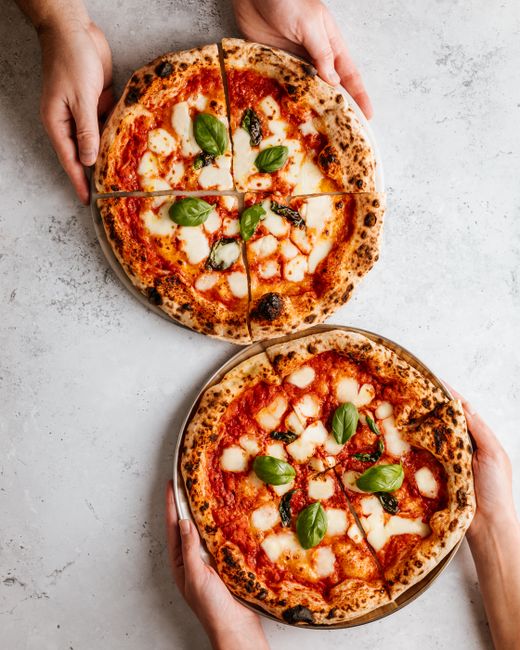
Many area residents assume “thin crust” means the same style, though the differences above show that Neapolitan and New York-style pizzas offer unique characteristics. Some believe Neapolitan pizza always comes with more toppings—it’s usually the opposite. Others expect New York-style slices to be floppy, but when prepared correctly, a slice should have enough structure to be folded without breaking or dripping.
Can These Styles Be Made at Home in Columbia?
Both styles can be attempted in residential kitchens, but true Neapolitan pizza requires extremely high heat, which most home ovens do not reach. Dedicated pizza stones or steel plates can help, but results may not perfectly match restaurant versions. For New York-style pizza, standard ovens can get fairly close—just allow time for dough to ferment at home for improved flavor and texture.
Practical Tips:
- For Neapolitan-inspired pizza, use the hottest oven setting, preheat well, and keep toppings minimal.
- New York-style at home benefits from a longer rise (often overnight) and spreading the dough as thin as the oven’s stone can handle.
How Do Families and Groups Decide Which to Choose?
Local families and groups often base their choice on setting and preference. Neapolitan pizza suits a smaller, slower meal, perhaps as part of a cozy indoor dinner. New York-style often appears at larger, more casual gatherings—outdoor park days, birthday parties, or sports nights—where flexibility and convenience matter.
Trying both offers a good way to appreciate their distinct traditions and discover which fits best in everyday life. Whichever the choice, understanding what sets them apart helps Columbia residents find the ideal pizza for any situation.