

 See My Latest Article on HelloNation
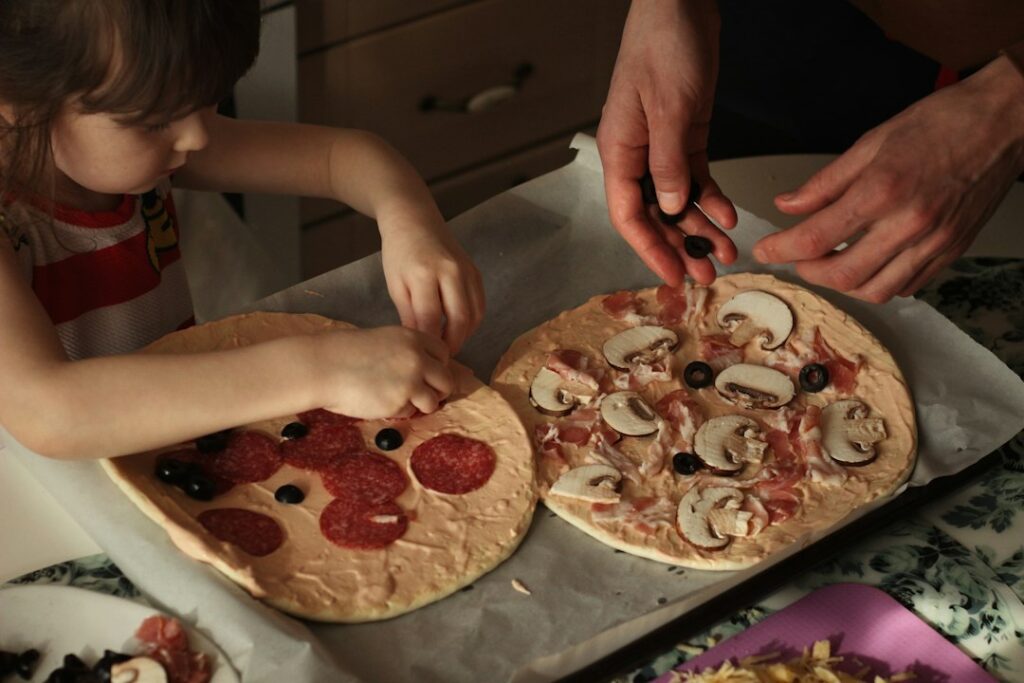
Why Make Pizza With Kids at Home?
Cooking pizza with children offers hands-on learning, an opportunity to promote healthy eating habits, and memorable family bonding—especially valued in Columbia, SC households. The interactive nature of preparing pizza encourages kids to try new foods and understand kitchen basics in a relaxed, familiar setting.
In the city, where weather can be hot and humid much of the year, making pizza at home allows residents to control both the indoor environment and the food experience, regardless of the season. It’s an engaging alternative to outdoor activities during summer heat or rainy spells.
What Kitchen Setup and Tools Work Best With Kids?
A safe, manageable workspace makes the experience easy and fun for young cooks. In most Columbia homes, a clean dining table or kitchen island works well, with all ingredients prepped ahead:
- Baby wipes or a wet cloth for fast hand clean-up
- Small rolling pins or clean jars for dough
- Measuring cups and spoons for portioning ingredients
- Large baking sheets lined with parchment paper for easy transfer
- Child-safe knives or kitchen scissors for older kids to cut vegetables
An oven or countertop toaster oven, common in apartments and houses throughout the city, both work well for family pizza projects. Some households also opt for pizza stones, but a basic baking sheet is sufficient.
How Can Families Involve Kids of Different Ages?
Supervision is key, but many tasks can be matched with age and ability. Smaller children can:
- Spread sauce with the back of a spoon
- Sprinkle cheese and other toppings
- Decorate the dough with patterns or faces
Older kids may enjoy:
- Measuring and mixing dough ingredients
- Slicing soft vegetables with a safe knife
- Arranging toppings in creative ways
Allowing children to choose their toppings fosters a sense of ownership and can encourage picky eaters to try new vegetables or flavors.
What Types of Dough and Ingredients Are Most Practical?
Time, skill, and kitchen resources often vary for local families. For quick sessions, consider:
- Store-bought pizza dough, already portioned and ready to stretch
- Flatbreads or tortillas for “mini pizzas” that cook quickly
- Pre-made tomato sauces or jarred pesto for easy spreading
For those looking to introduce kids to simple dough-making, a basic recipe includes flour, yeast, water, salt, and a touch of olive oil—requiring minimal kneading and an hour or two to rise. This process can double as a STEM lesson in yeast and chemistry.
Popular topping options that suit most dietary preferences and are easy for little hands to manage include:
- Shredded mozzarella and cheddar
- Sliced bell peppers, olives, tomatoes, or mushrooms
- Pepperoni slices, cooked sausage, or grilled chicken for protein
- Pineapple or fresh basil for variety
Encourage children to wash their hands between steps and wipe up spills to build good kitchen habits.
Are There Tips for Minimizing Mess and Making Cleanup Easy?
Expect some flour on the floor, but a bit of preparation streamlines cleanup:
- Cover work surfaces with parchment or wax paper
- Use aprons or oversized shirts to protect clothing
- Keep a broom and hand-vacuum nearby for flour or cheese spills
- Pre-portion toppings in small bowls to avoid reaching into large packages
Enlisting kids in post-cooking cleanup can be as fun as pizza making itself, turning it into a game or race.
How Do Weather and Homes in Columbia Impact Indoor Pizza Making?
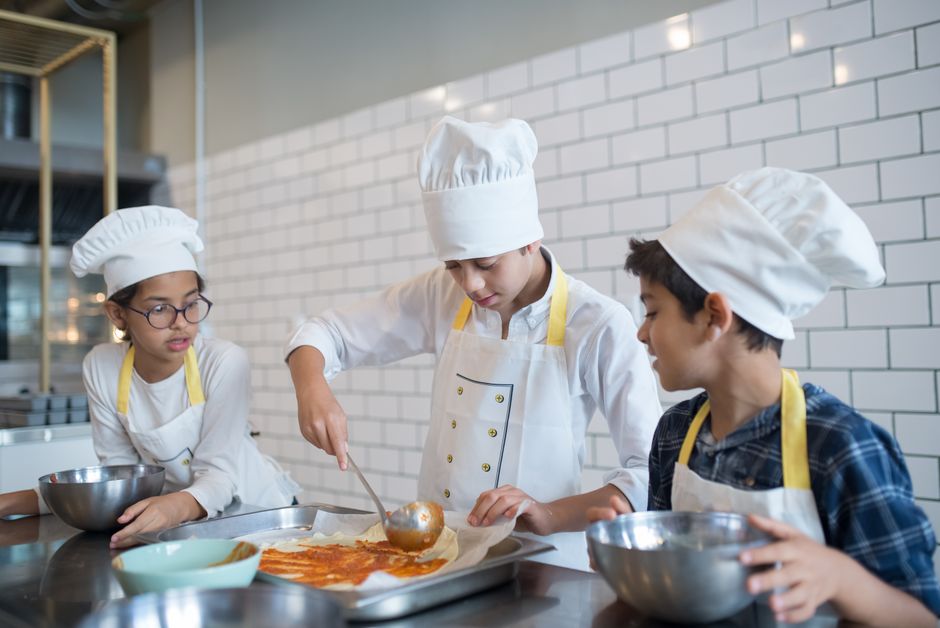
Columbia’s summers can get notably hot, which may make kitchens warmer when the oven is running. Try these approaches:
- Opt for thin-crust or flatbread pizzas that bake quickly and require less oven time
- Bake pizzas early in the day to avoid heating up the kitchen at suppertime
- Open windows, use fans, or plan pizza nights on milder days
During the cooler winter months, home pizza nights offer a cozy indoor activity for families, providing comfort and warmth with minimal need for outdoor errands. Many Columbia residences, including apartments and duplexes, have limited kitchen space. Individual mini-pizzas reduce traffic and let everyone add toppings without crowding the workspace.
What Are Some Themed Pizza Night Ideas?
Themes can increase enthusiasm and creativity for kids. Some ideas popular with area families include:
- “Build Your Own Face” pizza night, with toppings for eyes, noses, and smiles
- Rainbow pizza with a variety of colorful vegetables
- Breakfast pizza using scrambled eggs, cheese, and mild sausage on a crust
- Garden harvest pizza, using herbs or vegetables grown in backyard containers or community gardens
Let children brainstorm their own themes—they may surprise you with unique combinations or designs.
Are There Food Safety or Allergy Considerations?
Home pizza making is a good opportunity to reinforce basic food safety. Remind children:
- Wash hands thoroughly before starting and after handling raw ingredients
- Keep raw meat away from vegetables and ready-to-eat items
- Check ingredient labels if anyone in the family has food allergies
- Bake pizzas to safe internal temperatures, especially with meats
Allergy-friendly substitutions—such as dairy-free cheese, gluten-free crusts, or nut-free sauces—are widely available at local grocers and can be incorporated into the activity so everyone can participate.
How Can Families Keep Pizza Making Relaxed and Enjoyable?
Set flexible expectations. The end result doesn’t need to look like a restaurant pizza; the goal is fun, learning, and shared experience. Letting go of perfection makes it easier for everyone to participate confidently. Encourage a positive environment by:
- Assigning roles but allowing flexibility
- Praising effort and teamwork over final appearance
- Playing music or storytelling while pizzas bake
Sharing the meal together, even if slightly messy, creates positive associations with home cooking and boosts children’s confidence in the kitchen.