

 See My Latest Article on HelloNation
Why Is My Pizza Crust Too Soggy?
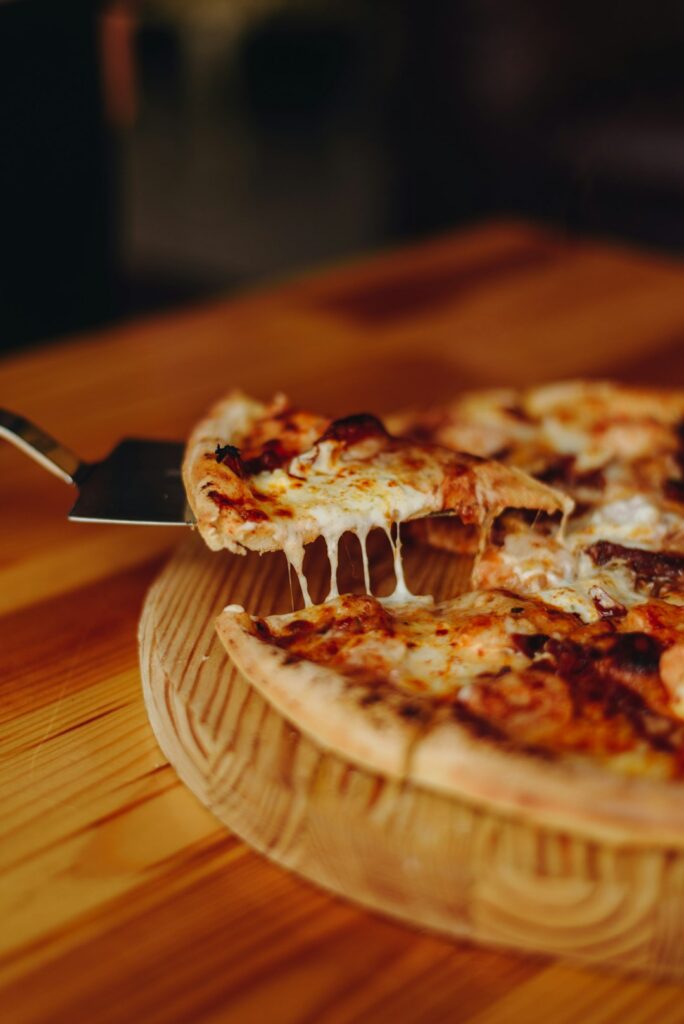
A soggy pizza crust is a common frustration, especially for home bakers using standard ovens in Columbia, SC homes. This usually means moisture hasn’t evaporated quickly enough.
Some typical reasons include:
- Using overly wet sauce or toppings that release water as they bake
- Not preheating the oven or stone adequately
- Rolling your dough too thick, so it doesn’t cook through fast
Local residents often deal with humidity, especially in spring and summer, which can make dough feel stickier and extend baking times. Always thoroughly preheat your oven—ideally 30-45 minutes if you use a baking stone or steel. Try to strain watery vegetables and blot slices of mozzarella. If using a metal tray, poke a few holes in parchment to let steam escape. Thinner dough also tends to crisp up better in standard electric ovens found in local homes.
Why Won’t My Pizza Brown or Puff Up?
A pale, dense crust often means your oven isn’t hot enough. Most standard home ovens in the city max out around 500°F, which is enough for decent results but below true pizzeria temperatures.
Steps that help:
- Place your oven rack in the highest position so the top heat hits the pie
- Preheat for at least half an hour before baking
- Use a dark steel or cast iron surface, which absorbs and conducts heat better than shiny pans
Sometimes, all-purpose flour produces a slightly paler crust than bread flour. A pinch of sugar or honey in your dough can also enhance browning. Keep in mind, Columbia’s climate can make dough fermentation unpredictable—warmer kitchens mean yeast works faster. If your dough over-proofs, it may not puff up in the oven.
How Can I Avoid Burnt Cheese or Toppings?
Burnt cheese or toppings usually signal either too much top heat or an overly long bake. In the city’s common home ovens, the broiler or top rack can create hot spots.
To avoid this:
- Add delicate toppings, like fresh greens or thin meats, halfway through baking instead of at the start
- Use whole-milk mozzarella for better melt and resistance to scorching
- Shield edges with a foil ring if your oven has uneven heat
If you’re broiling for color at the end, keep pizzas under close watch—topping a pizza with some sauce on top of cheese can help insulate it. Be aware that smaller or older ovens, which are common in Columbia apartments or historic homes, often bake unevenly and may require rotating pizzas once or twice.
What If My Pizza Dough Won’t Stretch?
Dough that springs back when you try to stretch it isn’t rested enough or is too cold from the fridge.
To fix this:
- Let dough rest at room temperature for at least 45–60 minutes before shaping
- If it still resists, let it sit (covered) for another 10-15 minutes and try again
In the humid, variable temperatures of Columbia, dough may proof faster in summer and more slowly in winter. If you overmix the dough or use too much flour while shaping, this can also cause toughness. Keep hands and surfaces lightly floured, but avoid the urge to press or roll dough too aggressively.
Why Does My Pizza Taste Bland?
If you’re disappointed by bland flavor, a few mistakes are likely:
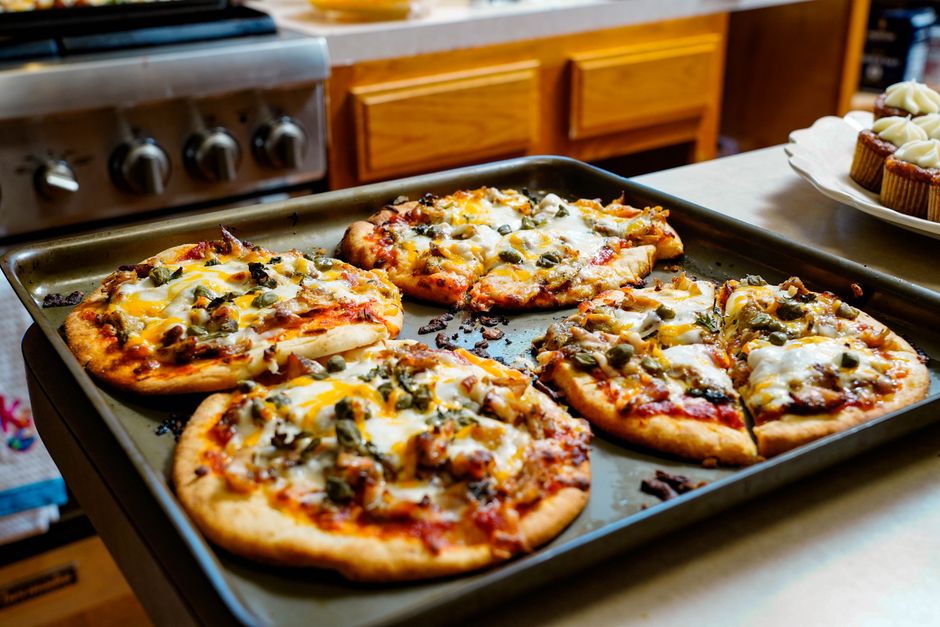
- Using dough before it’s fermented long enough—overnight fermentation in the fridge builds flavor
- Skipping salt or underseasoning sauce
Aging dough at least 12 hours in the fridge, common in many Columbia households for meal prep, does wonders for taste. For toppings, fresh herbs, cracked pepper, or finishing olive oil can enhance even basic cheese pizzas. Taste your sauce before using—it’s easier to adjust seasoning now than on a finished pie.
How Can I Get a Crispy Crust With a Home Oven?
Achieving a truly crispy crust at home is totally possible with small tweaks:
- Bake on a preheated stone or steel, not a cold pan
- Don’t overload the pizza with sauce or heavy toppings
- Open a window or turn on a vent; Columbia’s naturally humid air can delay crisping
After baking, transfer pizza to a wire rack for a few minutes instead of cutting it on the pan. This keeps steam from condensing underneath. If you like extra crunch, you can return slices for a moment on a hot, empty skillet.
What Ovens or Surfaces Work Best In Local Homes?
Most Columbia homes and apartments have standard electric or gas ovens, which don’t reach professional pizza temperatures. For best results:
- Use a pizza stone or baking steel—they replicate the “deck” effect of a professional oven, storing and rapidly transferring heat
- Place your oven rack near the top if browning is an issue
- Avoid stacking pans or overcrowding the oven, which lowers the temperature and traps steam
Those living in historic or older neighborhoods may have smaller or less efficient ovens. For these, try baking smaller pizzas at a time or checking oven temperature with a thermometer to adjust for any inaccuracies.
Common Local Misconceptions
Many area residents assume more sauce or cheese equals better pizza, but this can weigh down the crust and keep it from cooking through. Another frequent misunderstanding is skipping preheating to “save energy,” which actually leads to undercooked, pale pies.
Occasionally, those new to baking in Columbia forget that summer humidity speeds up dough proofing. It’s worth checking dough earlier and adapting rest times seasonally.