

 See My Latest Article on HelloNation
Why Does Pizza Baking Temperature Make Such a Difference?
Pizza baking isn’t just about melting cheese and crisping crust—it’s rooted in real, measurable science. The temperature at which pizza is baked determines everything from texture and flavor to how well the dough cooks inside. In Columbia, SC, with its humid summers and variable household ovens, understanding these details becomes especially practical for local residents curious about better home-baked pizza.
How Do Different Temperatures Affect Pizza Results?
Higher oven temperatures (generally 450–900°F) produce very different results than moderate or low heat. Here’s how specific temperatures impact pizza:
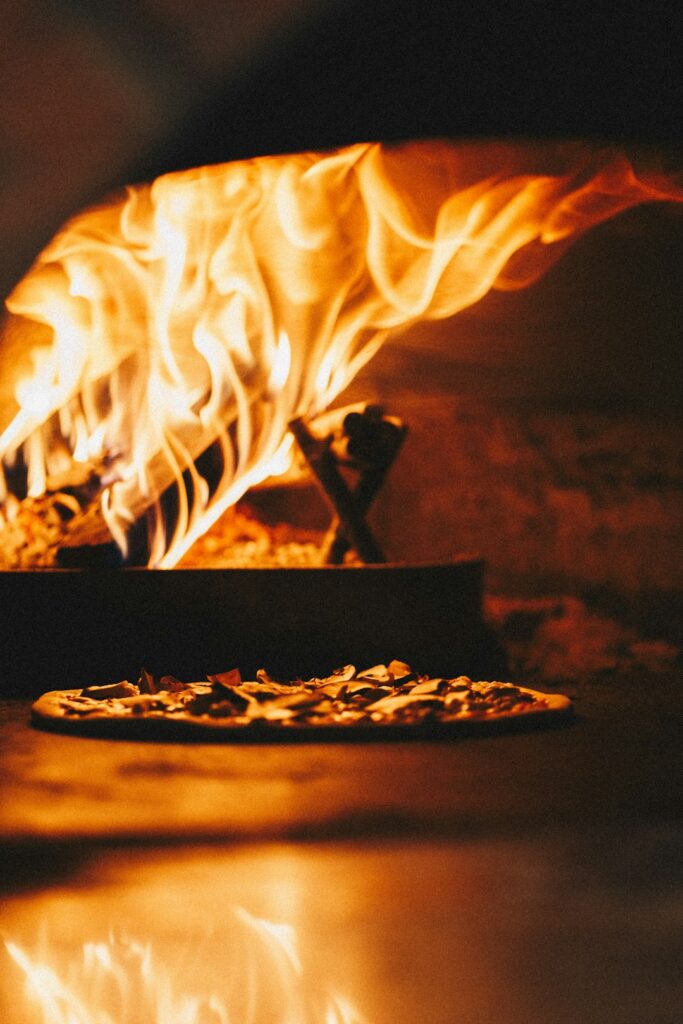
- High heat (700–900°F): Creates a crisp, airy crust with a smoky, blistered finish—classic for Neapolitan-style pizza. Most indoor ovens can’t reach these temperatures, but specialty outdoor pizza ovens sometimes can.
- Moderate heat (500–550°F): The top range for conventional home ovens. This produces a well-browned crust, fully melted cheese, and can caramelize toppings without burning them.
- Lower heat (below 450°F): Yields a paler, bread-like crust and a slower melt for cheese and toppings. The result may be soggy or chewy, especially in Columbia’s humid climate.
Everything about the final product—chewiness, crispness, color, and topping texture—depends on that heat.
Why Is High Heat Preferred for Pizza Crust?
High heat quickly cooks the outside of the dough before the inside loses too much moisture. This rapid reaction causes the following:
- Oven spring: The dough expands quickly, creating bubbles for a light, airy texture.
- Maillard reaction: At above 300°F, proteins and sugars on the crust brown and develop complex flavors, resulting in a more aromatic and appetizing pizza.
- Quick set: The crust’s exterior hardens, keeping the inside soft but not raw.
In the city, most ovens top out at 500–550°F—a practical compromise. For those outdoors, Columbia’s warm weather allows more year-round use of wood-fired or gas pizza ovens, which better simulate traditional pizzeria results.
What About Cheese, Toppings, and Sauce Layers?
Each pizza layer behaves differently under heat:
- Cheese: Mozzarella melts and browns best above 450°F but will break down into oil pools at higher heat if left too long.
- Toppings: Vegetables may release moisture, softening the crust. Thick or watery toppings (like tomatoes) benefit from pre-roasting or using less in a humid climate to avoid making the pizza soggy.
- Sauce: High temperature concentrates tomato sauce flavor but can burn sugars if baking time is too long.
Managing layering and baking time is especially relevant for Columbia area households, where humidity and oven variability can require quick adjustments.
Can Local Ovens Reach the Ideal Pizza Temperature?
Most standard kitchen ovens in Columbia, like elsewhere, max out at around 500–550°F. While this is lower than traditional pizza ovens, certain strategies help achieve better results:
- Pre-heat the oven (and pizza stone/steel) for at least 30–45 minutes.
- Use the convection option if available, for consistently high heat and better air circulation.
- Place the pizza high in the oven to be closer to the broiler element for stronger top heat.
- Use a pizza stone or baking steel: These accessories store heat, mimicking pizza oven floors and providing a crisp base even in the city’s fluctuating kitchen environments.
A common misconception is that turning the oven as high as it goes is risky; for pizza, high heat is both safe and essential.
How Does Humidity in Columbia Affect Pizza Baking?
Columbia’s humid climate, especially during the summer months, influences dough and baking outcomes:
- Hydration in dough: More moisture in the air means dough may feel stickier and rise faster. Residents often need to use slightly less water or adjust flour quantity.
- Crust crispness: High humidity can make finished pizza crusts lose their crunch if not eaten promptly.
- Storage: Leftover pizza softens quickly in humid conditions; a quick reheat on a hot pan can restore some crispness.
People in the community may find that small recipe tweaks and changes in baking technique make a noticeable difference, depending on the time of year.
Are Outdoor Pizza Ovens or Grills Worthwhile in Columbia?
Outdoor pizza ovens and grills can reach higher temperatures than most indoor ovens, making them attractive for serious enthusiasts. The city’s generally mild winters and long, warm seasons make these options feasible nearly year-round.
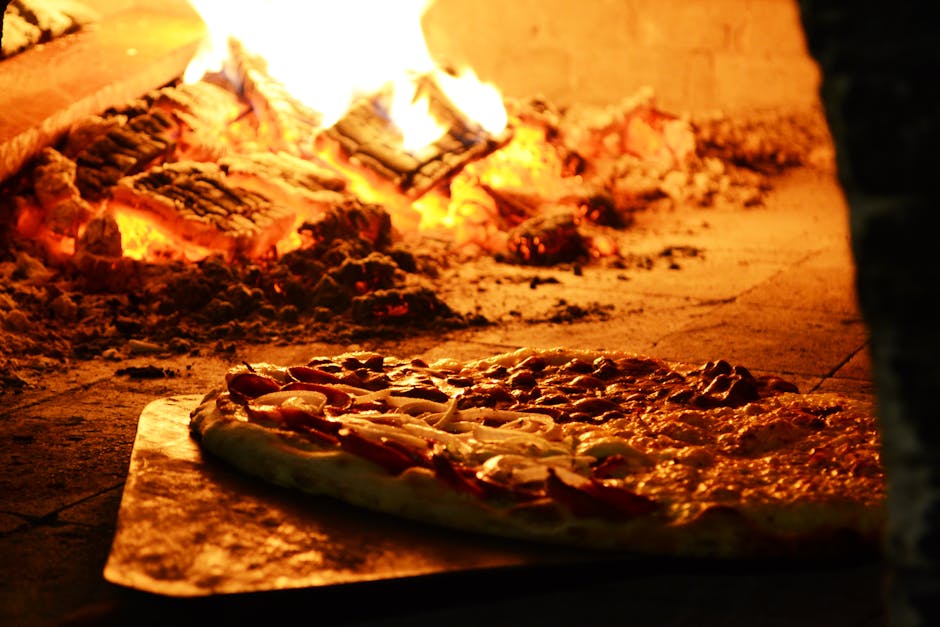
- Wood-fired ovens: Achieve temperatures well above indoor ovens, producing authentic crust texture and flavor.
- Gas-powered pizza ovens or grills: Offer convenience with high, even heat, and are more common in single-family homes with outdoor space.
For residents with limited outdoor room or apartment living, indoor oven methods and accessories (like a pizza steel) remain the most practical.
What Are Common Pizza Baking Temperature Misconceptions?
Some widely held beliefs don’t hold up under scrutiny:
- Myth: Low, slow baking creates a better pizza.
Reality: Lower temps dry out dough and never create crisp crust.
- Myth: More toppings mean better flavor.
Reality: Heavy toppings trap steam, especially with Central Midlands humidity, leading to soggy crust.
- Myth: Ovens need only a short preheat.
Reality: Maximum preheat is essential for steady, even heat, especially with baking stones or steels.
What Practical Steps Can Columbia Residents Take for Better Pizza?
Practical advice for maximizing pizza results at home:
- Allow the oven to preheat fully, especially on muggy days when indoor air is humid.
- Use a pizza steel or stone for a crisp bottom, reheating fully before baking.
- Broil briefly near the end for extra browning if the oven’s max temperature is limited.
- Adjust dough hydration as needed during the most humid summer weeks.
Understanding these principles helps area residents enjoy crispier, better-flavored pizza regardless of kitchen setup or seasonal Columbia weather patterns.