

 See My Latest Article on HelloNation

What Does “Hydration” Mean in Pizza Dough?
Hydration refers to the ratio of water to flour in pizza dough, expressed as a percentage. For example, a recipe using 500 grams of flour and 350 grams of water has 70% hydration. This simple metric impacts everything from texture and taste to how easy the dough is to handle.
In Columbia, SC, where summertime humidity can impact baking, understanding hydration gives home pizza makers more predictable results whether using a backyard oven or a kitchen setup.
Why Is Hydration So Important for Pizza Dough?
Hydration affects the structure, texture, and final quality of pizza crust. A dough’s water content determines:
- How soft, airy, or chewy the crust turns out
- The size of air pockets inside the baked bread
- How easy (or sticky) the dough is to shape
- The crispness or chewiness in the bite
For residents in the community, balancing hydration offers a way to get both the flavor profile and crumb structure preferred by the household, whether aiming for a crispy thin crust or a breadier base.
How Does Climate in Columbia Influence Pizza Dough Hydration?
Humidity and temperature in Columbia can have a noticeable effect on pizza-making. Warm, humid conditions common in late spring and summer may slightly increase the flour’s natural moisture, which can make doughs stickier even at the same written hydration level.
Local bakers often find that doughs may need a hint less water during the most humid months, or a bit more flour while kneading to account for extra environmental moisture.
Tips for adapting to Columbia’s weather patterns:
- On humid days, start with slightly less water, adding more only as needed.
- Store flour in airtight containers to reduce water absorption from the air.
- Allow doughs to ferment at cooler indoor temperatures when possible for greater control.
What Are Common Hydration Ranges and Their Effects?
Pizza doughs are not all created equal when it comes to water content. Here’s how hydration levels shape results:
- Low Hydration (55%-60%): Stiffer dough, easier to handle, produces a dense, cracker-like crust. Works well for thin, crispy pizzas but dries out faster if overbaked.
*Medium Hydration (60%-70%):* The sweet spot for most home bakers. Balanced dough, easy to stretch, creates a chewy yet airy crust and handles Columbia’s variable indoor conditions well.
*High Hydration (70%-80%+):* Very sticky and wet, needs gentle handling or extra resting time. This type of dough bakes up with large air pockets and a softer inside—think artisan or Neapolitan-style pizzas. High humidity in the city might make these doughs tricky to manage, but they reward patience with a light, holey crumb.
How Do You Adjust Pizza Dough Hydration for Home Ovens?
Many ovens in Columbia’s homes don’t reach restaurant-level temperatures, which means it’s helpful to tweak hydration:
- Slightly higher hydration (around 65%-70%) helps produce steam during baking, encouraging a better rise and open crumb.
- For electric ovens that heat more slowly, doughs with more water can resist drying out and provide a more forgiving window for baking.
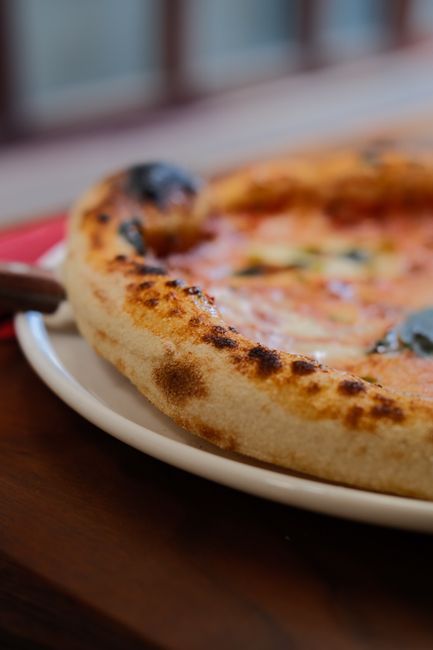
Photo by Esra Afşar on Pexels
A common misconception is that adding water to dough always makes it stickier and harder to manage. With proper kneading and fermentation, well-hydrated dough becomes stronger and easier to stretch after resting.
What Are Practical Tips for Measuring and Mixing?
Accuracy with water and flour makes a significant difference, especially in the variable climate of Columbia. A few practical pointers:
- Weigh ingredients using a kitchen scale, rather than relying solely on cups or visual judgment, for consistent hydration.
- For households mixing by hand, add water gradually and note how the dough feels—slight tweaks each season may be required.
- Let the dough rest between mixing and kneading (“autolyse” method) so flour can fully hydrate before more kneading or stretching.
Commonly overlooked: tap water temperature. Water straight from the faucet in the city may be colder or hotter than intended and can affect yeast and gluten formation. Aim for cool or room-temperature water for slow fermentation and improved results.
Are There Mistakes Local Bakers Often Make With Dough Hydration?
Residents sometimes expect a one-size-fits-all recipe works year-round, but changes in temperature and humidity mean adjustments are part of mastering pizza at home. Key things to remember:
- Over-flouring the surface can throw off hydration, making dough tougher.
- Neglecting to cover resting dough can let surface moisture evaporate, lowering effective hydration and causing cracked crusts.
- Using only high hydration without adapting handling/cooking techniques might cause frustration—stickier doughs benefit from gentle handling, minimal flour, and using parchment or baking mats.
Final Considerations for Columbia Households
Experimenting with hydration is not about precision alone but about learning how variable factors—local weather, oven type, desired style—combine in each kitchen. With patience and small adjustments, area residents can create pizza crusts that suit their personal preference and Columbia’s unique conditions.